
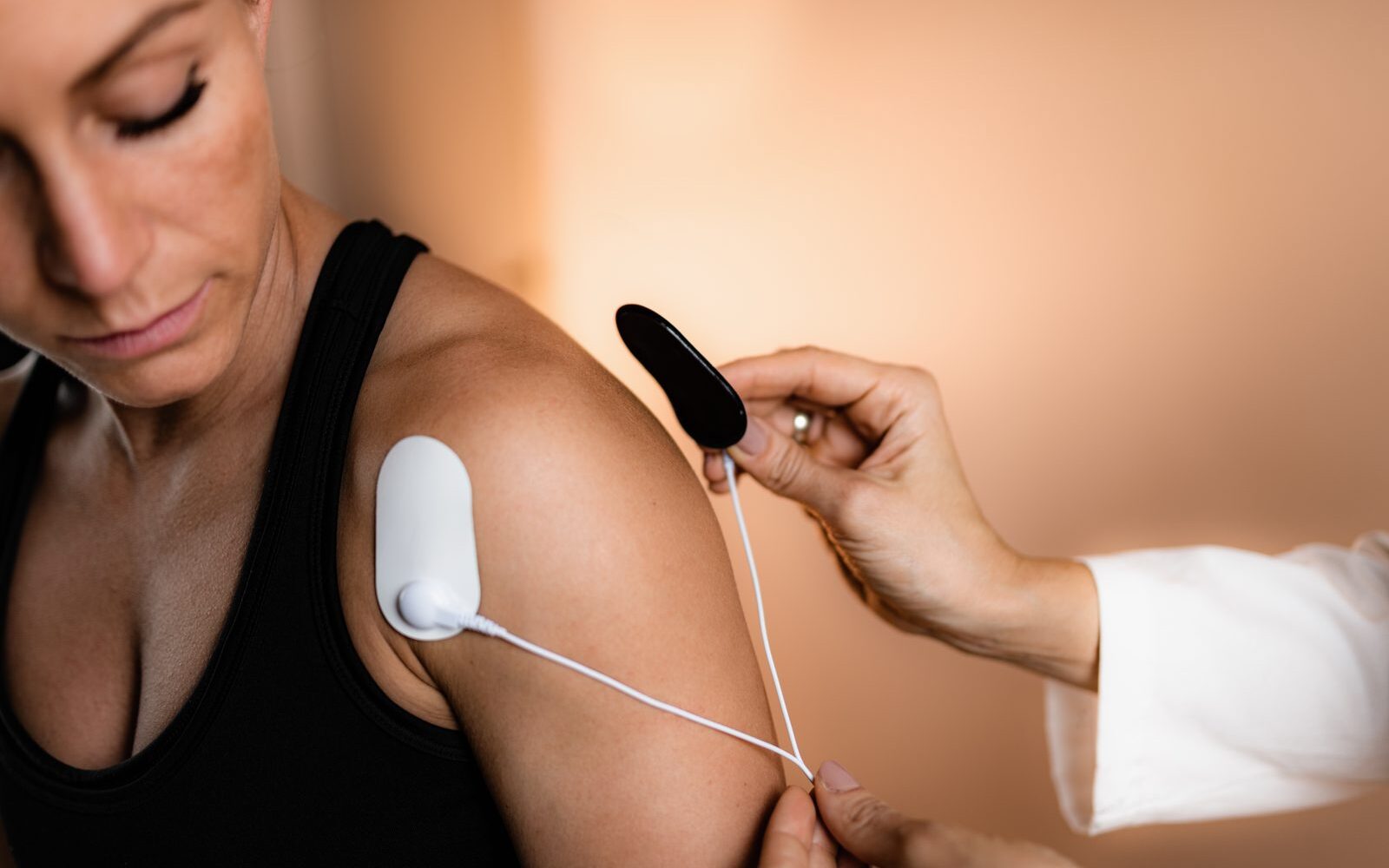
Advanced Peripheral Nerve Stimulation by Board-Certified Pain Specialists
If chronic nerve pain is interfering with your daily life and conservative treatments have not provided lasting relief, Peripheral Nerve Stimulation (PNS) may be an effective treatment option. At TOPS Institute, we offer advanced Peripheral Nerve Stimulation in Los Angeles for carefully selected patients suffering from chronic, localized nerve pain.
Peripheral nerve stimulation is a form of neuromodulation that uses gentle electrical impulses to interrupt pain signals before they reach the brain. This minimally invasive treatment may help reduce pain, improve function, and decrease reliance on long-term pain medications.
Our board-certified interventional pain management specialists perform comprehensive evaluations to determine whether PNS is the right solution for your condition.
Book An Appointment Today
What Is Peripheral Nerve Stimulation (PNS)?
Peripheral Nerve Stimulation (PNS) is a minimally invasive treatment that uses small electrical leads placed near targeted peripheral nerves to help manage chronic pain.
Peripheral nerves are located outside of the brain and spinal cord and transmit signals between the body and the central nervous system. When these nerves become injured, irritated, or continue sending abnormal pain signals, PNS may help reduce pain by delivering mild electrical stimulation that alters how those signals are perceived.
Unlike traditional surgery, PNS is performed using small incisions or needle-based techniques and is typically completed on an outpatient basis.
How Does Peripheral Nerve Stimulation Work?
A small electrode is positioned near the nerve responsible for your pain.
The PNS device delivers gentle electrical pulses that modify pain signal transmission before the signals reach the brain. Rather than treating the underlying structural condition, PNS helps reduce the perception of chronic pain for appropriately selected patients.
Many modern systems are programmable, allowing your physician to adjust stimulation settings to optimize comfort and symptom control.
Conditions That May Benefit from Peripheral Nerve Stimulation
Peripheral nerve stimulation may be considered for selected patients with chronic localized pain, including:
- Peripheral neuropathic pain
- Chronic nerve pain
- Post-surgical nerve pain
- Complex Regional Pain Syndrome (CRPS)
- Chronic knee pain
- Chronic shoulder pain
- Certain types of chronic back pain
- Occipital neuralgia and selected headache disorders in appropriate patients
- Pain following nerve injury
A comprehensive medical evaluation is necessary to determine whether PNS is appropriate for your specific diagnosis.
The Peripheral Nerve Stimulation Process
1. Comprehensive Pain Evaluation
Your treatment begins with a detailed consultation and physical examination.
Our physicians review:
- Medical history
- Imaging studies
- Previous treatments
- Pain location and severity
- Functional limitations
- Overall health
This evaluation helps determine whether PNS is an appropriate treatment option.
2. Personalized Treatment Planning
If PNS appears appropriate, we develop an individualized treatment plan based on your diagnosis, symptoms, lifestyle, and treatment goals.
3. Trial Stimulation
Before considering a longer-term implant, most patients undergo a temporary PNS trial.
During this outpatient procedure:
- Temporary leads are placed near the targeted nerve.
- The device is programmed to provide gentle stimulation.
- You evaluate how well the therapy controls your pain while continuing normal daily activities within physician guidelines.
The trial period allows both you and your physician to determine whether PNS provides meaningful symptom improvement before considering a longer-term system.
4. Longer-Term Implantation
If the trial is successful, a longer-term PNS system may be implanted during a minimally invasive outpatient procedure.
The device is positioned beneath the skin while leads remain near the targeted nerve.
After implantation, the stimulation settings can be adjusted over time to optimize pain control and comfort.
Benefits of Peripheral Nerve Stimulation
For appropriately selected patients, PNS may provide:
- Reduced chronic nerve pain
- Improved daily function
- Better mobility
- Reduced reliance on pain medications
- Personalized, adjustable therapy
- Minimally invasive outpatient treatment
- Reversible treatment option
- Improved quality of life
Results vary depending on the condition being treated, the targeted nerve, and individual patient response.
Why Choose TOPS Institute?
Board-Certified Interventional Pain Specialists
Our physicians have extensive experience diagnosing and treating complex chronic pain using advanced neuromodulation technologies.
Comprehensive Candidate Evaluation
Not every patient is a candidate for peripheral nerve stimulation.
We perform a thorough assessment to ensure the treatment is appropriate before recommending implantation.
Personalized Neuromodulation Care
Every treatment plan is customized based on your diagnosis, symptoms, goals, and response during the trial period.
Advanced Minimally Invasive Procedures
We utilize modern image-guided techniques to maximize procedural precision while minimizing recovery time.
Key Advantages of Neuromodulation
Targeted Pain Relief
PNS delivers electrical stimulation directly to the affected peripheral nerves, helping interrupt pain signals without affecting the entire body.
Minimally Invasive Treatment
The procedure requires only small incisions or needle placement and is performed on an outpatient basis.
Drug-Free Pain Management
For some patients, PNS may reduce the need for long-term pain medications as part of an overall pain management plan.
Adjustable & Reversible
Stimulation settings can be adjusted over time to meet changing needs, and many PNS systems can be removed if treatment is no longer appropriate.
Recovery After PNS
Recovery following peripheral nerve stimulation is generally faster than recovery after major surgery.
Most patients:
- Return home the same day
- Resume light activities within several days, depending on physician instructions
- Gradually increase activity during the healing process
- Attend follow-up visits for device programming and monitoring
Your physician will provide individualized postoperative guidelines based on your procedure and device.
Risks & Possible Side Effects
Peripheral nerve stimulation is generally considered safe when performed by experienced specialists.
Potential risks include:
- Temporary discomfort at the implant site
- Infection
- Bleeding
- Lead migration
- Device malfunction
- Skin irritation
- Failure to achieve adequate pain relief
- Need for additional programming or revision procedures
Your physician will review all risks, expected benefits, and available alternatives before treatment.
Frequently Asked Questions
What is a peripheral nerve stimulator?
A peripheral nerve stimulator is a small medical device that delivers mild electrical impulses near targeted peripheral nerves to help reduce chronic pain by altering pain signal transmission.
Who is a candidate for Peripheral Nerve Stimulation?
Patients with chronic localized nerve pain that has not improved with medications, physical therapy, injections, or other conservative treatments may be candidates following a comprehensive evaluation.
What conditions can PNS treat?
PNS may be considered for selected patients with peripheral neuropathic pain, post-surgical nerve pain, CRPS, chronic knee pain, shoulder pain, certain chronic back pain conditions, and other localized nerve pain syndromes.
How effective is Peripheral Nerve Stimulation?
Many patients experience meaningful pain reduction following successful PNS therapy, although results vary depending on the underlying diagnosis, target nerve, and individual response. A temporary trial helps determine whether treatment is likely to be beneficial.
What happens during the PNS trial?
Temporary leads are placed near the affected nerve during a minimally invasive outpatient procedure. You use the device for a trial period to determine whether it provides meaningful symptom relief before considering a longer-term implant.
Is PNS safe?
Yes. Peripheral nerve stimulation is generally considered safe when performed by experienced pain management physicians. As with any procedure, there are potential risks that will be discussed during your consultation.
How long is recovery?
Most patients return home the same day and gradually resume normal activities over the following days to weeks, depending on physician recommendations and the specific procedure performed.
Is PNS better than pain medication?
PNS is not necessarily a replacement for medication, but it may reduce medication requirements for some patients as part of a comprehensive pain management plan. Treatment recommendations are individualized.
Can the device be adjusted?
Yes. Most PNS systems allow your physician to adjust stimulation settings after implantation to optimize comfort and pain control.
Will I need a permanent implant?
Not always. Every patient first undergoes an evaluation, and many undergo a temporary trial before deciding whether a longer-term implanted system is appropriate.
Schedule Your Peripheral Nerve Stimulation Consultation in Los Angeles
If chronic nerve pain continues to limit your quality of life despite conservative treatment, Peripheral Nerve Stimulation (PNS) may provide another option for lasting pain management.
At TOPS Institute, our experienced interventional pain specialists offer advanced Peripheral Nerve Stimulation in Los Angeles using personalized treatment plans, minimally invasive techniques, and comprehensive follow-up care designed to help you reduce pain and return to the activities you enjoy.
Contact us today to schedule your consultation and learn whether Peripheral Nerve Stimulation is right for you.