Personalized Care for Neck, Back, Joint & Nerve Pain
Living with chronic pain can affect every aspect of your life—from your ability to work and stay active to getting a good night’s sleep and enjoying time with family. At TOPS Institute, our board-certified pain management specialists provide comprehensive evaluations and personalized treatment plans designed to identify the source of your pain and deliver long-lasting relief.
We specialize in treating a wide range of musculoskeletal, spine, nerve, and joint conditions using advanced diagnostic technology, minimally invasive procedures, regenerative medicine, and concierge-level patient care.
Whether you’re experiencing neck pain, back pain, joint pain, sports injuries, arthritis, or chronic nerve pain, our goal is to help you restore mobility, improve function, and regain your quality of life.
Book an Appointment Today
Our Multidisciplinary Approach to Pain Management
Pain is rarely caused by a single issue. That’s why our physicians take a comprehensive, multidisciplinary approach to diagnosing and treating every patient.
At TOPS Institute, we combine advanced interventional pain management, regenerative medicine, physical rehabilitation, and evidence-based therapies to create personalized treatment plans tailored to your unique needs.
Our concierge team is committed to providing an exceptional patient experience by assisting with appointment scheduling, coordinating care, answering questions, and ensuring a seamless treatment journey from your first consultation through recovery.
Conditions We Treat
Our physicians diagnose and treat a broad range of acute and chronic pain conditions affecting the spine, joints, muscles, nerves, and surrounding soft tissues.
Neck Pain
Neck pain can develop from muscle strain, poor posture, repetitive activities, arthritis, herniated discs, nerve compression, or traumatic injuries such as whiplash.
We treat conditions including:
- Cervical Radiculopathy (Pinched Nerve)
- Cervical Disc Herniation
- Cervical Spinal Stenosis
- Cervical Spondylosis (Neck Arthritis)
- Cervical Degenerative Disc Disease
- Mechanical Neck Pain
- Myofascial Neck Pain
- Whiplash Injuries
Our minimally invasive treatments help reduce pain while restoring mobility and function.
Learn More About Neck Pain →
Back Pain
Back pain is one of the leading causes of disability and can result from arthritis, disc degeneration, muscle injuries, spinal stenosis, nerve compression, or previous spine surgery.
We commonly treat:
- Lumbar Radiculopathy (Sciatica)
- Lumbar Disc Herniation
- Lumbar Spinal Stenosis
- Lumbar Degenerative Disc Disease
- Lumbar Spondylosis (Back Arthritis)
- Sacroiliac Joint Dysfunction
- Failed Back Surgery Syndrome (FBSS)
- Mechanical Low Back Pain
Our specialists utilize advanced image-guided procedures to relieve pain while helping patients avoid surgery whenever possible.
Learn More About Back Pain →
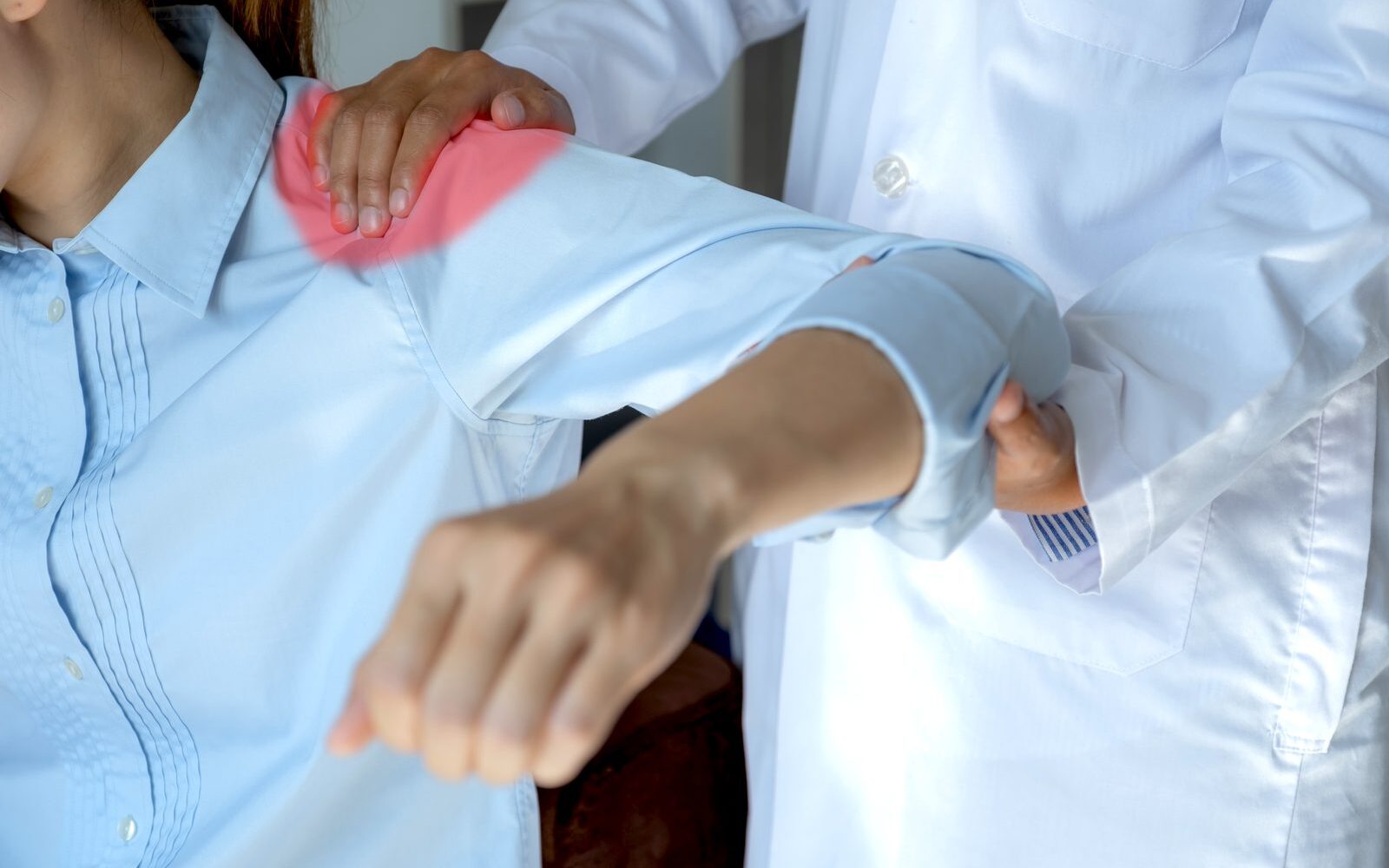
Shoulder Pain
Shoulder pain often develops from overuse, sports injuries, arthritis, tendon injuries, or repetitive overhead movements.
Conditions we commonly treat include:
- Rotator Cuff Tears
- Shoulder Arthritis
- Frozen Shoulder
- Shoulder Bursitis
- Shoulder Tendinitis
- Shoulder Impingement Syndrome
- Shoulder Instability
- Sports-Related Shoulder Injuries
Treatment options include Platelet-Rich Plasma (PRP), shoulder joint injections, ultrasound-guided procedures, and regenerative medicine.
Learn More About Shoulder Pain →
Hip Pain
Hip pain may originate from the hip joint, surrounding tendons, muscles, or even the lower back and sacroiliac joints.
We commonly diagnose and treat:
- Hip Osteoarthritis
- Hip Labral Tears
- Hip Impingement (FAI)
- Hip Bursitis
- Hip Tendinitis
- Osteonecrosis
- Muscle Strains
- Referred Hip Pain
Our physicians offer advanced PRP therapy, hip joint injections, regenerative medicine, and minimally invasive pain management procedures to improve mobility and reduce pain.
Learn More About Hip Pain →
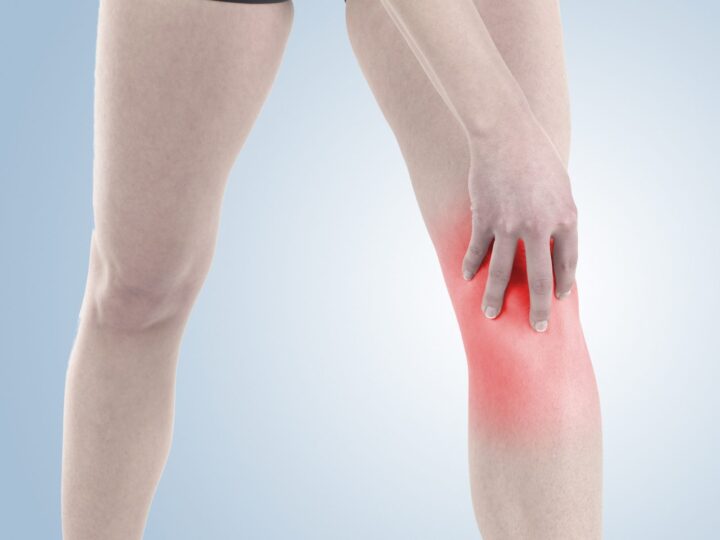
Knee Pain
The knee is one of the body’s most active joints and is vulnerable to arthritis, sports injuries, repetitive stress, and degeneration.
Common knee conditions include:
- Knee Osteoarthritis
- Meniscus Tears
- ACL, PCL, MCL & LCL Injuries
- Patellar Tendinitis
- Runner’s Knee
- Knee Bursitis
- Rheumatoid Arthritis
- Chronic Knee Pain
Treatment options include Platelet-Rich Plasma (PRP), knee joint injections, viscosupplementation, and Genicular Nerve Radiofrequency Ablation for long-lasting pain relief.
Learn More About Knee Pain →
Pelvic Pain
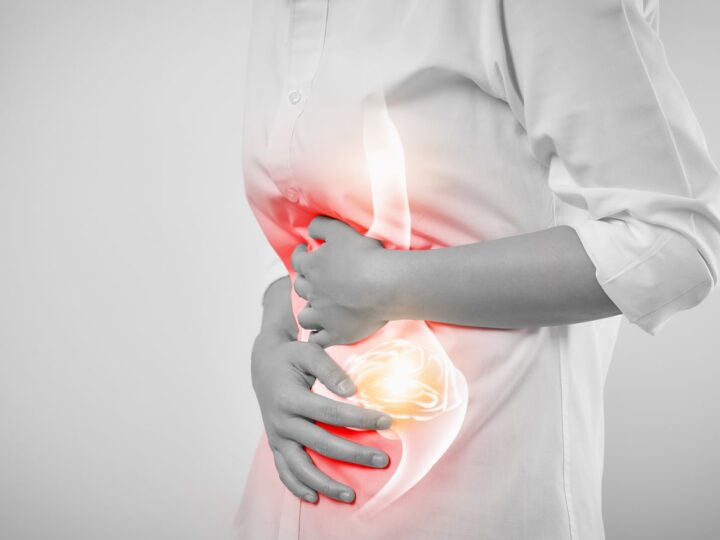
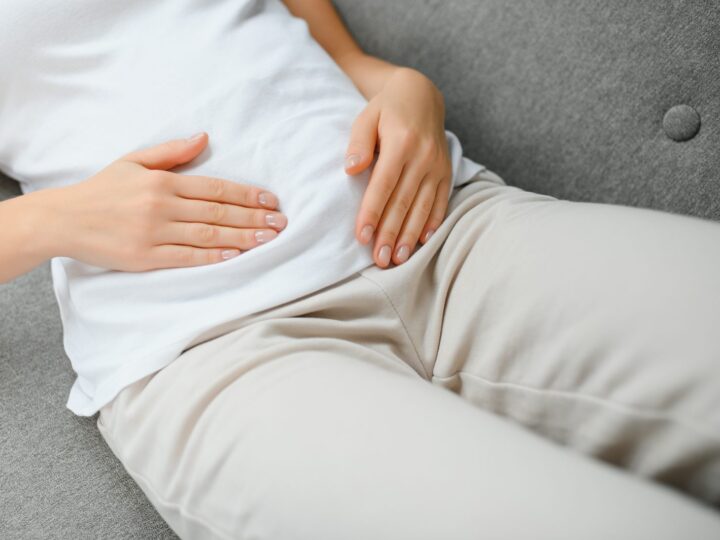
Pelvic pain is often complex and may involve muscles, nerves, reproductive organs, the urinary system, or surrounding structures.
Our specialists evaluate and treat:
- Chronic Pelvic Pain Syndrome
- Pudendal Neuralgia
- Pelvic Floor Dysfunction
- Endometriosis-Related Pain
- Chronic Prostatitis
- Pelvic Nerve Pain
- Sacroiliac-Related Pelvic Pain
- Post-Surgical Pelvic Pain
Our minimally invasive treatments include pelvic nerve blocks, radiofrequency ablation, spinal cord stimulation, and multidisciplinary pain management.
Learn More About Pelvic Pain →
How Chronic Pain Can Affect Your Life
Chronic pain impacts far more than the area where you feel discomfort. Left untreated, it can affect nearly every aspect of your physical and emotional well-being.
Sleep Disturbances
Persistent pain often interferes with sleep, making it difficult to fall asleep or stay asleep. Poor sleep can increase pain sensitivity, reduce energy levels, and slow recovery.
Emotional Health
Living with chronic pain may contribute to anxiety, depression, frustration, and emotional stress. Effective pain management can improve both physical and mental well-being.
Reduced Mobility
Pain can limit your ability to exercise, work, participate in hobbies, or complete everyday tasks. Our goal is to restore movement while improving your overall function.
Impact on Relationships
Chronic pain can affect family life, social activities, and personal relationships. Comprehensive pain management helps many patients regain independence and improve their overall quality of life.
Why Choose TOPS Institute?
Experienced & Compassionate Specialists
Our board-certified physicians are committed to providing patient-centered care using the latest advancements in interventional pain management and regenerative medicine.
Comprehensive Treatment Options
We offer a full range of evidence-based, minimally invasive procedures, including:
- Epidural Steroid Injections
- Joint Injections
- Radiofrequency Ablation (RFA)
- Peripheral Nerve Stimulation (PNS)
- Spinal Cord Stimulation (SCS)
- Platelet-Rich Plasma (PRP)
- High-Dose PRP
- Stem Cell Therapy
- Kyphoplasty
- Trigger Point Injections
- Nerve Blocks
Personalized Treatment Plans
Every patient receives an individualized treatment plan based on their diagnosis, lifestyle, medical history, and long-term goals.
Focus on Long-Term Pain Relief
Our mission is not simply to reduce pain—we strive to restore mobility, improve function, and enhance your quality of life using the least invasive treatment options possible.
Our Comprehensive Evaluation Process
At TOPS Institute, every successful treatment begins with an accurate diagnosis.
Our evaluation includes:
Comprehensive Consultation
We carefully review your symptoms, medical history, previous treatments, imaging studies, and overall health to understand the complete picture of your pain.
Physical Examination
Our specialists assess:
- Range of motion
- Muscle strength
- Joint stability
- Neurological function
- Areas of tenderness
- Functional limitations
Advanced Diagnostic Imaging
When appropriate, we utilize:
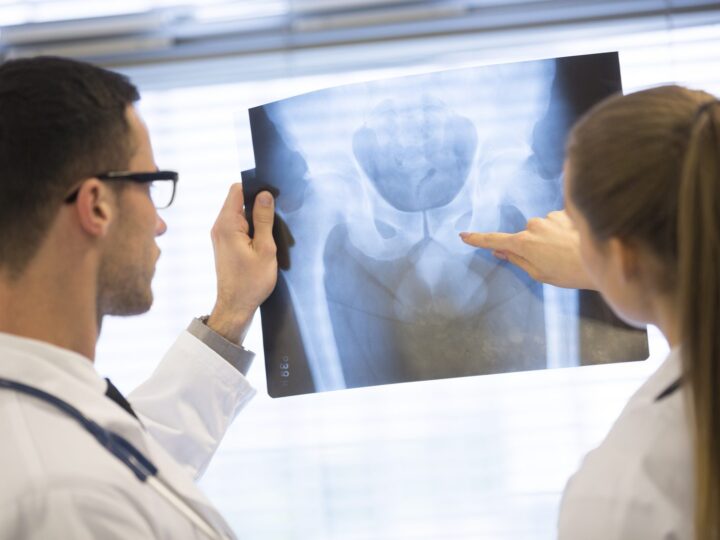
- Digital X-rays
- MRI
- CT Scans
- Fluoroscopy
- Ultrasound Imaging
These studies help identify structural abnormalities contributing to your pain.
Nerve Conduction Studies & EMG
Electromyography (EMG) and nerve conduction studies evaluate how well your nerves and muscles are functioning, allowing us to accurately diagnose nerve injuries and compression syndromes.
Frequently Asked Questions
What is the best treatment for spinal stenosis in Los Angeles?
Treatment depends on the severity of spinal stenosis and your symptoms. Options may include physical therapy, medications, epidural steroid injections, radiofrequency ablation, minimally invasive procedures, or surgery when necessary.
How do I know if I need treatment for spinal stenosis?
If you experience back or neck pain, numbness, weakness, tingling, balance problems, or pain while walking, you should schedule a comprehensive evaluation.
What is the fastest way to relieve sciatica pain?
Many patients benefit from activity modification, physical therapy, anti-inflammatory medications, and image-guided epidural steroid injections. MRI imaging is often recommended before advanced treatment.
What causes sciatica?
Sciatica most commonly develops when a herniated disc, spinal stenosis, or degenerative disc disease compresses the sciatic nerve.
Where can I receive cortisone injections in Los Angeles?
TOPS Institute provides advanced image-guided cortisone injections for spine, joint, and musculoskeletal conditions using fluoroscopic and ultrasound guidance for improved precision.
How long does a cortisone injection take to work?
Most patients begin experiencing relief within several days, although maximum improvement may take up to one or two weeks depending on the condition being treated.
What are the best treatments for a herniated disc?
Treatment may include physical therapy, medications, epidural steroid injections, regenerative medicine, radiofrequency ablation, or surgery for severe neurological symptoms.
Can a herniated disc heal without surgery?
Yes. Most patients improve with conservative care and minimally invasive treatments without requiring surgery.
When should I see a pain management specialist?
You should schedule an evaluation if pain lasts longer than several weeks, limits your daily activities, radiates into your arms or legs, causes weakness or numbness, or has not improved with conservative treatment.
What is the difference between cortisone injections and regenerative medicine?
Cortisone injections primarily reduce inflammation for short- to medium-term symptom relief. Regenerative treatments such as High-Dose Platelet-Rich Plasma (PRP) are designed to support the body’s natural healing response for selected musculoskeletal conditions. Your physician will recommend the most appropriate treatment based on your diagnosis and goals.
Begin Your Journey Toward Lasting Pain Relief
You don’t have to let chronic pain control your life. Whether you’re experiencing neck pain, back pain, joint pain, nerve pain, or sports-related injuries, the specialists at TOPS Institute are here to help.