
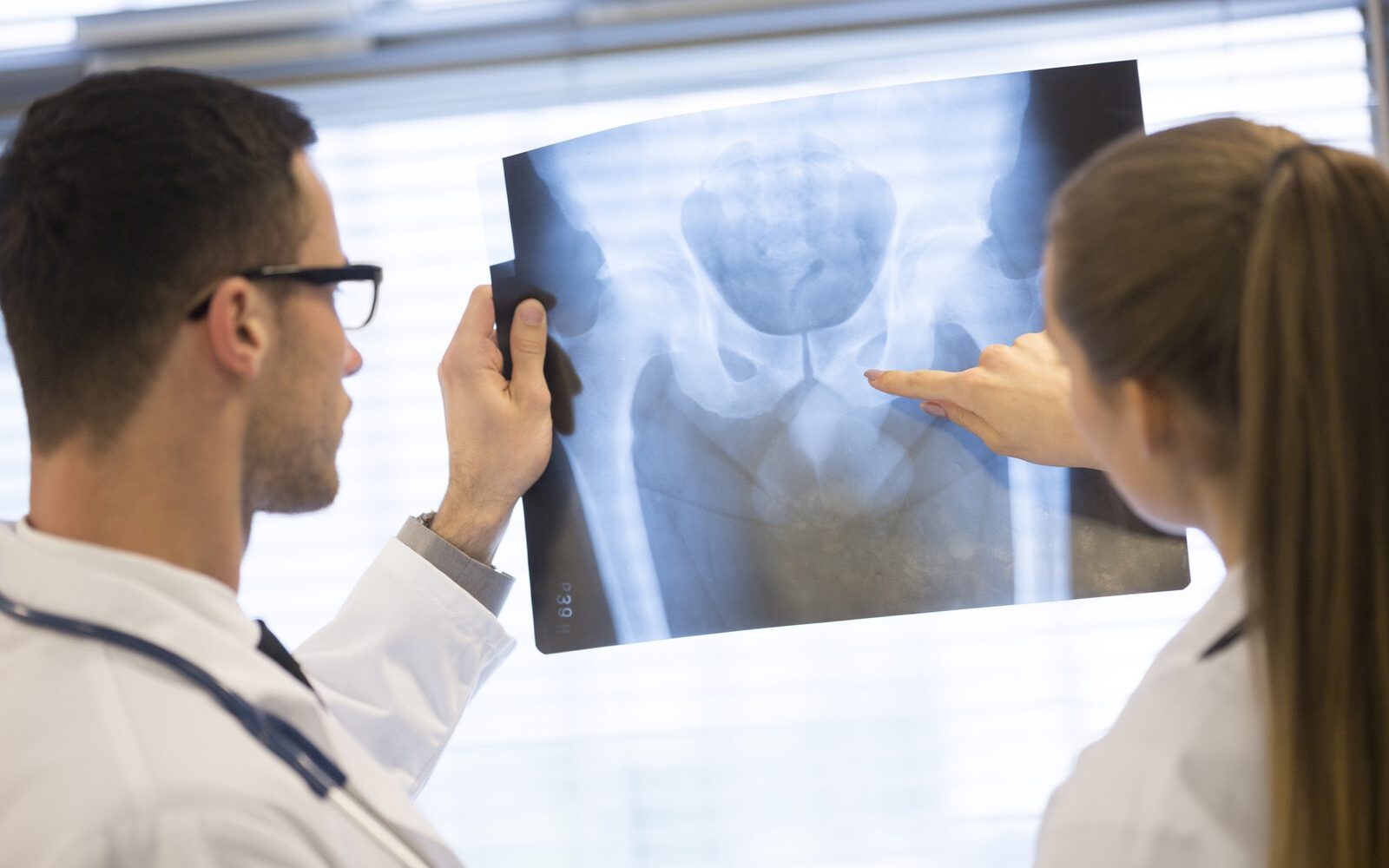
Hip pain can make walking, climbing stairs, exercising, or even sitting for extended periods uncomfortable. Whether your symptoms are caused by arthritis, a sports injury, tendon damage, or degeneration of the hip joint, early diagnosis and personalized treatment can help relieve pain, improve mobility, and restore your quality of life.
At TOPS Institute, our board-certified interventional pain management specialists provide comprehensive evaluations and advanced minimally invasive treatments for acute and chronic hip pain. Using state-of-the-art diagnostic imaging and evidence-based therapies, we focus on treating the source of your pain while helping many patients avoid surgery whenever possible.
Our individualized treatment plans combine advanced pain management techniques with regenerative medicine to help patients throughout Los Angeles, Beverly Hills, and Southern California return to the activities they enjoy.
Book an Appointment Today
Common Causes of Hip Pain
Hip pain can originate from the hip joint itself, the surrounding muscles and tendons, the sacroiliac joint, or even the lower back. Because several conditions can produce similar symptoms, an accurate diagnosis is essential before beginning treatment.
Hip Osteoarthritis
Hip osteoarthritis is the most common cause of chronic hip pain. It occurs when the protective cartilage within the hip joint gradually wears away, leading to inflammation, stiffness, and reduced mobility.
Symptoms may include:
- Groin pain
- Hip stiffness
- Pain while walking
- Difficulty climbing stairs
- Clicking or grinding sensations
- Reduced range of motion
Early treatment can help reduce pain, improve movement, and delay the progression of arthritis.
Rheumatoid Arthritis of the Hip
Rheumatoid arthritis is an autoimmune disease that causes inflammation of the hip joint lining. Over time, chronic inflammation can damage cartilage, bone, and surrounding soft tissues.
Symptoms may include:
- Hip pain
- Morning stiffness
- Swelling
- Warmth around the joint
- Fatigue
- Difficulty walking
A multidisciplinary treatment approach can help reduce inflammation and preserve joint function.
Hip Bursitis
Hip bursitis occurs when one of the fluid-filled bursae that cushion the hip joint becomes inflamed. Greater trochanteric bursitis is one of the most common causes of pain along the outside of the hip.
Symptoms may include:
- Pain on the outside of the hip
- Tenderness
- Pain while lying on the affected side
- Pain when climbing stairs
- Discomfort during prolonged walking
Image-guided injections often provide significant relief while reducing inflammation.
Hip Tendinitis
Hip tendinitis develops when the tendons surrounding the hip become irritated due to repetitive movement, sports activities, or overuse.
Symptoms may include:
- Pain during movement
- Muscle tightness
- Tenderness
- Weakness
- Stiffness after activity
Many patients improve with physical therapy, regenerative medicine, and minimally invasive treatments.
Hip Labral Tears
The hip labrum is a ring of cartilage that helps stabilize the hip joint. Labral tears commonly occur from sports injuries, repetitive motion, trauma, or structural abnormalities within the hip.
Symptoms may include:
- Groin pain
- Clicking or locking sensations
- Hip instability
- Pain while twisting
- Reduced range of motion
Early diagnosis helps prevent additional joint damage while improving long-term outcomes.
Femoroacetabular Impingement (Hip Impingement)
Hip impingement occurs when abnormal bone growth causes the femoral head and hip socket to rub together during movement. Over time, this can damage cartilage and the labrum.
Symptoms may include:
- Groin pain
- Hip stiffness
- Pain while sitting
- Pain during sports
- Limited flexibility
- Catching sensations
Hip Fractures
Hip fractures are serious injuries most commonly seen after falls or trauma, especially in older adults with osteoporosis.
Symptoms may include:
- Severe hip pain
- Inability to bear weight
- Swelling
- Bruising
- Leg shortening or deformity
Immediate medical evaluation is essential.
Osteonecrosis (Avascular Necrosis)
Osteonecrosis occurs when blood flow to the hip bone becomes disrupted, causing bone tissue to deteriorate. Without treatment, the hip joint may gradually collapse.
Symptoms may include:
- Deep groin pain
- Pain during walking
- Progressive stiffness
- Reduced hip motion
Early diagnosis offers the best opportunity to preserve the joint.
Sciatica & Referred Hip Pain
Not all hip pain originates from the hip joint. Conditions affecting the lumbar spine, sacroiliac joint, or sciatic nerve can produce pain that radiates into the hip and buttock.
Our specialists perform comprehensive evaluations to accurately determine whether symptoms originate from the hip or another source.
Muscle Strains & Soft Tissue Injuries
Muscle strains and ligament sprains involving the hip commonly occur during sports, exercise, falls, or repetitive activities.
Symptoms may include:
- Muscle pain
- Swelling
- Bruising
- Difficulty walking
- Pain during movement
Most soft tissue injuries improve with conservative treatment, rehabilitation, and regenerative medicine when appropriate.
Personalized Hip Pain Treatments
Every patient receives a customized treatment plan based on the underlying diagnosis, activity level, lifestyle, and treatment goals.
Platelet-Rich Plasma (PRP) Therapy
Platelet-Rich Plasma (PRP) is one of the most advanced regenerative medicine treatments available for many hip conditions. PRP uses a concentrated sample of your own blood that contains a high concentration of platelets and natural growth factors to support the body’s healing response.
PRP therapy may be recommended for:
- Hip labral tears
- Hip tendinitis
- Gluteal tendinopathy
- Muscle injuries
- Hip bursitis
- Mild to moderate hip arthritis
- Sports-related hip injuries
At TOPS Institute, we utilize High-Dose PRP protocols with advanced ultrasound or fluoroscopic guidance to maximize treatment precision.
Learn more about our High-Dose Platelet-Rich Plasma (PRP) therapy.
Hip Joint Injections
Image-guided hip joint injections deliver anti-inflammatory medication directly into the hip joint to reduce inflammation and relieve pain caused by arthritis, labral injuries, and other painful hip conditions.
Hip joint injections also serve as an important diagnostic tool by confirming whether the hip joint is the primary source of pain.
Learn more about Hip Joint Injections.
Bursa Injections
Image-guided bursa injections are commonly used to treat greater trochanteric bursitis by reducing inflammation around the outside of the hip.
Many patients experience significant improvement in pain and mobility following treatment.
Nerve Blocks
Diagnostic and therapeutic nerve blocks help identify the exact source of hip pain while interrupting pain signals from irritated nerves surrounding the hip joint.
Radiofrequency Ablation (RFA)
For patients with chronic hip pain caused by arthritis or persistent nerve-related pain, radiofrequency ablation can provide long-lasting pain relief by interrupting targeted pain signals.
Many patients experience improvement lasting six months or longer.
Physical Therapy & Rehabilitation
Physical therapy plays an important role in restoring hip strength, flexibility, balance, and stability. Rehabilitation is often combined with minimally invasive procedures to improve long-term outcomes.
Regenerative Medicine
In addition to PRP therapy, regenerative medicine may be incorporated into comprehensive treatment plans to support healing of injured tendons, ligaments, muscles, and joints while promoting long-term function.
Why Choose TOPS Institute?
At TOPS Institute, we combine concierge-level patient care with advanced interventional pain management and regenerative medicine to provide comprehensive hip pain treatment. Our board-certified physicians use state-of-the-art diagnostic imaging and minimally invasive procedures to accurately diagnose the source of pain and create individualized treatment plans focused on lasting relief.
Whether your hip pain is caused by arthritis, bursitis, tendinitis, labral tears, hip impingement, sports injuries, osteonecrosis, or referred pain from the spine, our goal is to restore mobility, reduce pain, and help you return to your normal activities while avoiding unnecessary surgery whenever possible.
Frequently Asked Questions
What is the best hip pain treatment in Los Angeles?
The best treatment depends on the underlying cause of your hip pain. Options may include PRP therapy, hip joint injections, bursa injections, physical therapy, nerve blocks, radiofrequency ablation, regenerative medicine, or surgical consultation when necessary.
When should I see a hip pain specialist?
You should schedule an evaluation if hip pain lasts longer than several weeks, limits walking or daily activities, interferes with sleep, or develops after an injury.
What conditions do hip pain specialists treat?
Our specialists treat hip arthritis, bursitis, labral tears, hip impingement, tendinitis, osteonecrosis, muscle injuries, sports injuries, and chronic hip pain caused by referred spinal conditions.
What is a hip joint injection and how does it work?
A hip joint injection delivers medication directly into the hip joint using ultrasound or fluoroscopic guidance to reduce inflammation, relieve pain, and improve mobility while also helping confirm the source of symptoms.
Are hip injections effective for chronic hip pain?
Yes. Hip injections can provide meaningful pain relief for arthritis, bursitis, labral tears, and other inflammatory conditions affecting the hip.
What are non-surgical options for chronic hip pain?
Non-surgical treatments may include PRP therapy, hip joint injections, bursa injections, nerve blocks, radiofrequency ablation, physical therapy, and regenerative medicine depending on the diagnosis.
How do I find the best hip pain specialist in Beverly Hills?
Choose a board-certified physician with expertise in interventional pain management, regenerative medicine, ultrasound-guided procedures, and minimally invasive hip treatments.
What causes chronic hip pain?
Common causes include osteoarthritis, bursitis, tendinitis, hip impingement, labral tears, osteonecrosis, sports injuries, muscle strains, and referred pain from the lumbar spine or sacroiliac joint.
Is hip surgery always required?
No. Most patients improve with conservative treatment and minimally invasive procedures. Surgery is generally reserved for advanced joint damage, severe fractures, or conditions that fail non-surgical treatment.
How long does it take to recover from hip pain treatment?
Recovery varies depending on the diagnosis and treatment. Many patients resume normal activities within a few days after minimally invasive procedures, while regenerative treatments such as PRP continue to support healing over several weeks to months.