
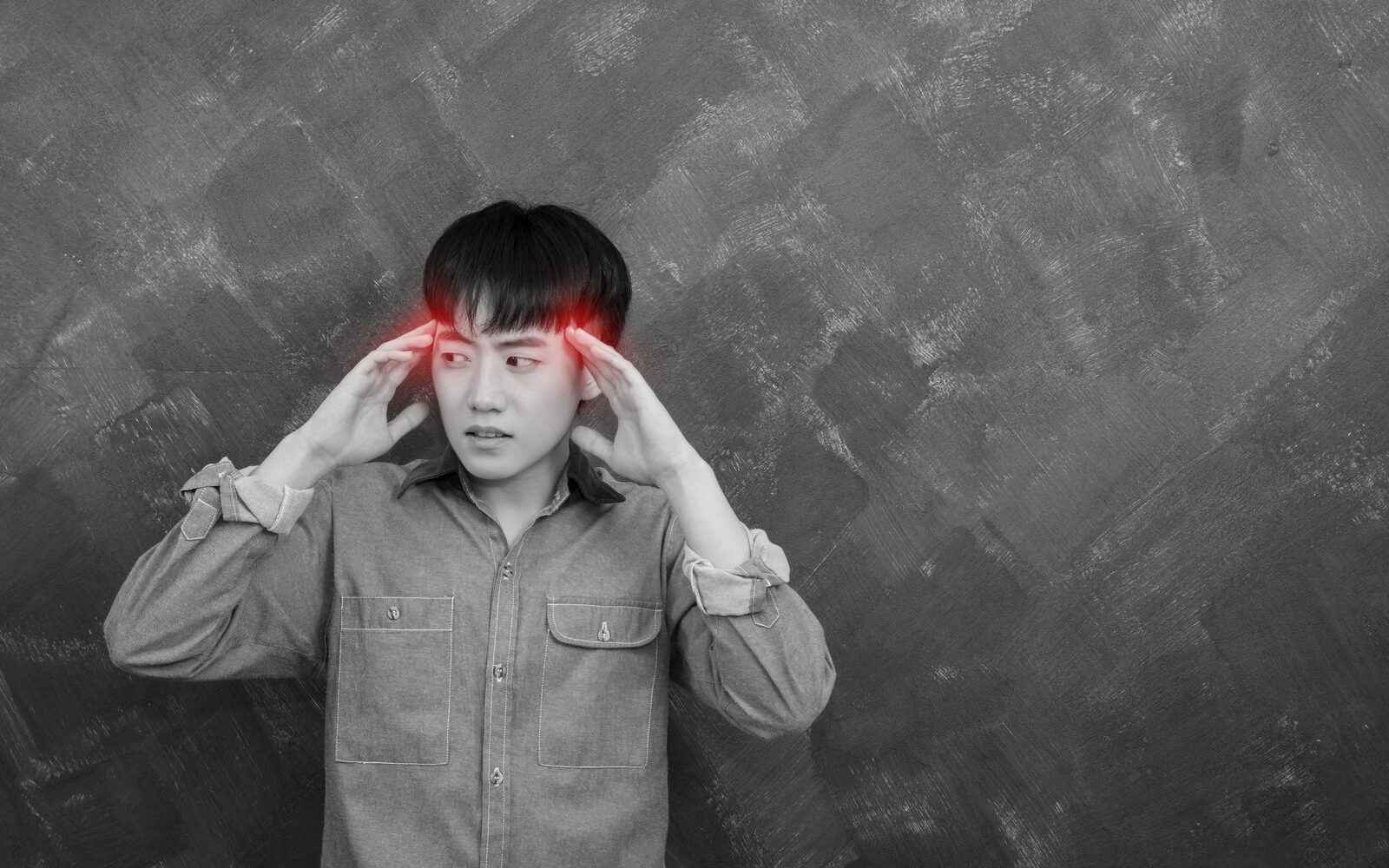
Specialized Evaluation for Positional Headaches and Suspected Cerebrospinal Fluid Leaks
A headache that becomes significantly worse when sitting or standing and improves after lying down can sometimes be a sign of spontaneous intracranial hypotension (SIH), a neurological condition most commonly associated with the loss of cerebrospinal fluid (CSF) from the spine.
SIH can produce persistent and sometimes disabling headaches along with neck pain, nausea, dizziness, hearing changes, and other neurological symptoms. Because these symptoms can overlap with migraine and other headache disorders, SIH may be difficult to recognize without an appropriate clinical evaluation.
At TOPS Institute, we evaluate patients with persistent positional headaches and suspected spinal CSF leaks in Los Angeles and Beverly Hills. When clinically appropriate, treatment may include an epidural blood patch, a procedure designed to help seal a spinal CSF leak and restore normal CSF dynamics.
Schedule a Consultation
What Is Spontaneous Intracranial Hypotension?
Spontaneous intracranial hypotension is a condition usually caused by spontaneous loss of cerebrospinal fluid from the spine, often without a preceding lumbar puncture, surgery, or major trauma.
Cerebrospinal fluid surrounds and supports the brain and spinal cord.
When CSF volume decreases because of a spinal leak, the normal support and pressure relationships surrounding the brain can change. This can produce the characteristic headache and neurological symptoms associated with SIH.
Despite the term “intracranial hypotension,” patients with SIH do not always have abnormally low CSF opening pressure when measured.
For this reason, SIH is increasingly understood in relation to low CSF volume caused by a spinal CSF leak, rather than low pressure alone.
What Is a Spinal CSF Leak?
A cerebrospinal fluid leak occurs when CSF escapes through an abnormal opening or pathway involving the tissues that normally contain it.
With spontaneous intracranial hypotension, the leak generally occurs somewhere along the spine.
Potential mechanisms include:
- A tear or weakness in the spinal dura
- A leak associated with a spinal meningeal diverticulum
- A structural abnormality that damages the dura
- A cerebrospinal fluid-venous fistula
A CSF-venous fistula occurs when cerebrospinal fluid abnormally drains into a nearby vein. Unlike some other spinal CSF leaks, this type may not produce a visible collection of fluid outside the dura.
Determining the mechanism and location of a suspected leak can influence treatment.
What Does a Spinal CSF Leak Headache Feel Like?
The classic symptom of spontaneous intracranial hypotension is an orthostatic headache, sometimes called a positional headache.
Typically, the headache:
- Becomes worse when sitting or standing
- Improves after lying flat
- May begin or intensify as the day progresses
- May occur with neck pain or stiffness
The timing can vary.
Some patients develop pain almost immediately after standing, while others may remain upright for a period before the headache becomes severe.
Not every patient with SIH has a textbook positional headache, particularly when the condition has been present for an extended period.
Symptoms of Spontaneous Intracranial Hypotension
Although positional headache is one of the most recognizable symptoms, SIH can produce additional symptoms.
Patients may experience:
- Headache that worsens when upright
- Improvement after lying down
- Neck pain or stiffness
- Nausea
- Dizziness
- Imbalance
- Sensitivity to light
- Sensitivity to sound
- Ringing in the ears
- Changes in hearing
- A feeling of pressure in the head
- Visual symptoms
- Fatigue
- Difficulty concentrating
The symptoms and their severity vary considerably between patients.
Because several neurological and headache disorders can produce similar symptoms, a positional headache should be appropriately evaluated rather than assumed to represent a CSF leak.
What Causes Spontaneous Intracranial Hypotension?
Unlike a CSF leak that develops after a lumbar puncture, spinal procedure, surgery, or significant trauma, SIH occurs spontaneously.
In some patients, structural abnormalities of the spine may contribute to disruption of the dura.
Other patients may have areas of dural weakness or spinal meningeal diverticula.
Certain connective tissue disorders may also be associated with increased susceptibility to spontaneous CSF leaks in some individuals.
However, the underlying cause is not always immediately apparent.
How Is Spontaneous Intracranial Hypotension Diagnosed?
Diagnosing SIH can require a combination of clinical evaluation and specialized imaging.
Evaluation begins with a detailed headache history, including:
- When the headache began
- Whether symptoms change with body position
- How quickly symptoms worsen after standing
- Whether lying down provides relief
- Associated neck pain
- Hearing or balance changes
- Previous spinal procedures
- Previous lumbar puncture
- Previous trauma or surgery
- Previous headache diagnoses and treatments
Imaging may be necessary to evaluate for findings associated with intracranial hypotension and determine whether a spinal CSF leak is present.
Depending on the clinical circumstances, evaluation may involve brain MRI and specialized spinal imaging.
Some spinal CSF leaks can be challenging to localize and may require additional diagnostic evaluation by specialists experienced in CSF leak disorders.
Is Spontaneous Intracranial Hypotension the Same as a Post-Dural Puncture Headache?
No, although the symptoms can be similar.
A post-dural puncture headache occurs after the dura has been intentionally or unintentionally punctured, such as during:
- Lumbar puncture
- Spinal anesthesia
- Certain epidural procedures
Spontaneous intracranial hypotension develops without a recent dural puncture or similar procedure.
Both conditions can involve CSF leakage and produce positional headaches, and both may sometimes be treated with an epidural blood patch.
However, identifying the underlying cause remains important.
What Is an Epidural Blood Patch?
An epidural blood patch is a procedure commonly used to treat certain headaches caused by cerebrospinal fluid leakage.
During the procedure, a small amount of the patient’s own blood is drawn and carefully injected into the epidural space.
The injected blood can form a clot and promote sealing of the area where CSF is escaping. It may also help restore normal pressure and volume relationships within the cerebrospinal fluid system.
For appropriately selected patients, an epidural blood patch may provide significant improvement in symptoms associated with a spinal CSF leak.
Learn More About Epidural Blood Patch
Targeted vs. Non-Targeted Epidural Blood Patch
Epidural blood patches may be performed using different approaches depending on whether the location of the suspected CSF leak has been identified.
A non-targeted epidural blood patch places blood into the epidural space without directly targeting a precisely localized leak.
A targeted epidural blood patch is directed toward a known or suspected leak location based on diagnostic findings.
The appropriate approach depends on the patient’s clinical presentation, imaging findings, previous treatment, and suspected mechanism of CSF leakage.
Not every type of spinal CSF leak responds in the same way to an epidural blood patch.
Does an Epidural Blood Patch Always Fix a CSF Leak?
Not necessarily.
Some patients experience substantial improvement after a single epidural blood patch, while others may require additional treatment.
Response can depend on factors such as:
- Location of the leak
- Type of leak
- Duration of symptoms
- Underlying structural abnormality
- Previous treatment
- Whether the leak can be precisely localized
Certain leaks, including some CSF-venous fistulas or structural dural defects, may require more specialized treatment.
Persistent symptoms after an epidural blood patch should therefore be reevaluated rather than automatically treated as another type of headache.
Spontaneous Intracranial Hypotension vs. Migraine
SIH can sometimes be mistaken for migraine because both conditions may produce headache, nausea, light sensitivity, and sound sensitivity.
One of the most important clues suggesting SIH is the relationship between headache and posture.
A headache that consistently worsens after becoming upright and improves after lying down warrants consideration of a CSF pressure or volume disorder.
However, positional symptoms alone do not confirm SIH.
A comprehensive evaluation is necessary to distinguish a spinal CSF leak from migraine and other headache conditions.
When Should You Seek Medical Care for a Positional Headache?
Medical evaluation may be appropriate when a headache:
- Consistently worsens while sitting or standing
- Improves significantly after lying down
- Begins after a spinal procedure or lumbar puncture
- Is associated with persistent neck pain or stiffness
- Causes dizziness or balance problems
- Is accompanied by hearing changes or tinnitus
- Persists despite standard headache treatment
- Significantly interferes with normal activities
Seek immediate medical attention for a sudden severe or “worst-ever” headache, new weakness or numbness, difficulty speaking, confusion, loss of consciousness, seizure, fever with significant neck stiffness, or other sudden neurological changes.
Spontaneous Intracranial Hypotension Treatment at TOPS Institute
Persistent positional headaches can significantly interfere with work, exercise, family activities, and even the ability to remain upright throughout the day.
At TOPS Institute, we take a diagnosis-driven approach to complex headache conditions.
For patients whose symptoms suggest spontaneous intracranial hypotension or another form of spinal CSF leakage, evaluation focuses on the relationship between symptoms and posture, previous procedures, neurological findings, and available imaging.
When an epidural blood patch is clinically appropriate, the procedure may be used to help seal a suspected spinal CSF leak and reduce associated symptoms.
Patients with complex, difficult-to-localize, or persistent leaks may require additional specialized diagnostic evaluation or treatment.
For patients seeking evaluation of spontaneous intracranial hypotension, spinal CSF leak, or positional headaches in Los Angeles or Beverly Hills, TOPS Institute provides personalized interventional pain management based on each patient’s clinical presentation.
Schedule a Consultation
Frequently Asked Questions About Spontaneous Intracranial Hypotension
What is spontaneous intracranial hypotension?
Spontaneous intracranial hypotension is a neurological condition most commonly associated with spontaneous leakage of cerebrospinal fluid from the spine. It frequently causes headaches that worsen while upright and improve after lying down.
What is the most common symptom of a spinal CSF leak?
A characteristic symptom is an orthostatic or positional headache that becomes worse when sitting or standing and improves after lying flat. However, symptom patterns vary, and not every patient with a spinal CSF leak experiences a classic positional headache.
Can you have spontaneous intracranial hypotension without low CSF pressure?
Yes. Despite the name, not every patient with SIH has a low CSF opening pressure when measured. Diagnosis therefore depends on the overall clinical presentation and appropriate imaging rather than pressure measurement alone.
What causes a spontaneous spinal CSF leak?
Potential causes include dural tears, spinal meningeal diverticula, structural abnormalities that affect the dura, and CSF-venous fistulas. In some patients, the precise cause is difficult to identify.
What is a CSF-venous fistula?
A CSF-venous fistula is an abnormal connection that allows cerebrospinal fluid to drain into a nearby vein. This can reduce CSF volume and cause spontaneous intracranial hypotension without necessarily creating an obvious collection of leaked fluid around the spine.
How is a spinal CSF leak diagnosed?
Diagnosis may involve a detailed clinical history, neurological evaluation, brain MRI, and specialized spinal imaging. The appropriate testing depends on the patient’s symptoms and suspected type of leak.
What is an epidural blood patch?
An epidural blood patch involves injecting a patient’s own blood into the epidural space. The blood can promote sealing of a CSF leak and may help relieve symptoms associated with loss of cerebrospinal fluid.
Learn More About Epidural Blood Patch
How quickly does an epidural blood patch work?
Response varies. Some patients experience improvement relatively quickly, while others improve more gradually or require additional evaluation and treatment. The response can depend on the type and location of the CSF leak.
Can a CSF leak come back after a blood patch?
Yes. Symptoms can persist or recur if the leak does not completely seal, reopens, or results from a mechanism that does not respond adequately to blood patching. Recurrent symptoms should be reevaluated.
Get Help for Persistent Positional Headaches
A headache that repeatedly worsens when upright and improves after lying down deserves appropriate evaluation, particularly when it is persistent or significantly limits normal activities.
Schedule a consultation with TOPS Institute in Los Angeles or Beverly Hills for evaluation of spontaneous intracranial hypotension, suspected spinal CSF leakage, and persistent positional headaches.
Schedule an Appointment