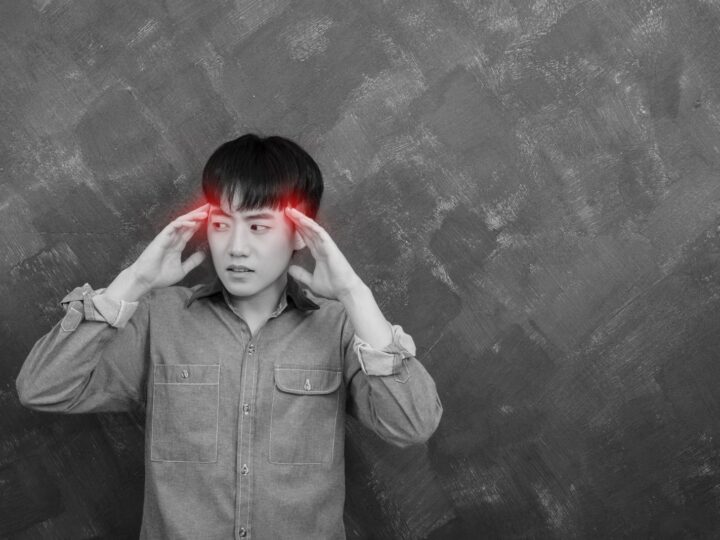
Headaches are one of the most common neurological symptoms, but not all headaches have the same cause. While many headaches respond to conservative treatment, others may result from irritated nerves, spinal disorders, cerebrospinal fluid (CSF) leaks, or chronic pain conditions that require specialized evaluation.
At TOPS Institute, our board-certified pain management specialists provide comprehensive evaluations and advanced, minimally invasive treatments for patients experiencing chronic headaches, occipital headaches, cervicogenic headaches, and headaches related to spontaneous intracranial hypotension (SIH). Our goal is to accurately diagnose the underlying cause of your symptoms and develop a personalized treatment plan that helps reduce pain, improve function, and restore your quality of life.
Book an Appointment Today
Understanding Chronic Headaches
Headaches can develop for many different reasons, including muscle tension, nerve irritation, spinal disorders, inflammation, trauma, or changes in cerebrospinal fluid pressure. Because treatment depends on the underlying diagnosis, a thorough evaluation is essential.
Some headaches occur only occasionally, while others become chronic and interfere with work, sleep, exercise, and daily activities.
At TOPS Institute, we work closely with neurologists, primary care physicians, and other specialists when appropriate to ensure every patient receives comprehensive care.
Common Symptoms
Depending on the underlying cause, headache symptoms may include:
- Pain at the back of the head
- Pain behind the eyes
- Neck pain associated with headaches
- Headaches that worsen when standing
- Pain that radiates from the neck to the head
- Burning or shooting pain
- Sensitivity to light or sound
- Dizziness
- Nausea
- Tingling or numbness
- Limited neck mobility
- Persistent daily headaches
If you experience a sudden “worst headache of your life,” confusion, weakness, vision changes, seizures, loss of consciousness, or symptoms of stroke, seek emergency medical care immediately.
Conditions We Treat
Occipital Headaches
Occipital headaches are felt at the back of the head and upper neck and are often caused by irritation or inflammation of the occipital nerves. The pain may be sharp, burning, throbbing, or electric-like and can travel from the base of the skull toward the scalp or behind the eyes.
Occipital headaches may develop as a result of:
- Occipital neuralgia
- Neck muscle tension
- Cervical arthritis
- Whiplash injuries
- Degenerative changes of the cervical spine
- Nerve irritation following trauma
- Poor posture
- Chronic neck pain
Treatment may include physical therapy coordination, medication management, image-guided injections, occipital nerve blocks, or other minimally invasive interventional procedures depending on the source of pain.
Spontaneous Intracranial Hypotension (SIH)
Spontaneous intracranial hypotension (SIH) is an uncommon condition caused by a spontaneous leak of cerebrospinal fluid (CSF), resulting in reduced pressure around the brain and spinal cord.
A hallmark symptom is an orthostatic headache—a headache that worsens when sitting or standing and improves when lying flat. Patients may also experience:
- Severe headaches
- Neck pain
- Nausea
- Dizziness
- Ringing in the ears
- Double vision
- Hearing changes
- Fatigue
- Difficulty concentrating
Diagnosis often involves MRI imaging and specialized evaluation to identify the location of the CSF leak.
For appropriately selected patients, treatment may include a targeted epidural blood patch, a minimally invasive procedure designed to seal the leak and restore normal cerebrospinal fluid pressure.
Our physicians work closely with neurologists and neurosurgeons when specialized care is indicated.
Cervicogenic Headaches
A cervicogenic headache originates from structures within the cervical spine rather than the brain itself. Pain typically begins in the neck before spreading to one side of the head, forehead, temple, or around the eye.
Common causes include:
- Cervical facet joint arthritis
- Degenerative disc disease
- Whiplash injuries
- Cervical muscle dysfunction
- Cervical spinal stenosis
- Herniated cervical discs
- Joint inflammation
- Neck injuries
Patients often notice headaches that worsen with neck movement or prolonged sitting.
Treatment may include:
- Physical therapy coordination
- Cervical epidural steroid injections
- Facet joint injections
- Medial branch blocks
- Radiofrequency ablation
- Trigger point injections
- Individualized rehabilitation programs
Comprehensive Headache Evaluation
At TOPS Institute, every patient receives a personalized evaluation that may include:
- Detailed medical history
- Neurological assessment
- Physical examination
- Cervical spine evaluation
- Review of MRI, CT, or X-ray imaging
- Review of previous treatments
- Medication assessment
- Coordination with neurology when appropriate
Identifying the true source of your headaches allows us to recommend the most appropriate treatment options.
Advanced Treatment Options
Depending on your diagnosis, your personalized treatment plan may include:
Image-Guided Injections
Precision-guided injections may help reduce inflammation and relieve pain originating from irritated nerves, joints, or spinal structures.
Occipital Nerve Blocks
Occipital nerve blocks may provide diagnostic information and therapeutic relief for patients with occipital neuralgia or chronic occipital headaches.
Epidural Steroid Injections
For headaches related to cervical nerve irritation or inflammation, cervical epidural steroid injections may reduce swelling around affected nerves and improve symptoms.
Facet Joint Injections & Medial Branch Blocks
These procedures may help identify and treat pain originating from the cervical facet joints, a common source of cervicogenic headaches.
Radiofrequency Ablation
Patients who experience significant temporary relief from diagnostic medial branch blocks may be candidates for radiofrequency ablation, which can provide longer-lasting pain relief by interrupting pain signals from the affected nerves.
Epidural Blood Patch
For patients diagnosed with spontaneous intracranial hypotension caused by a cerebrospinal fluid leak, an epidural blood patch may be recommended to help seal the leak and relieve orthostatic headaches.
Why Choose TOPS Institute?
Patients throughout Los Angeles, Beverly Hills, and Southern California trust TOPS Institute because we provide:
- Board-certified pain management specialists
- Advanced interventional headache treatments
- Expertise in spinal and nerve-related headache disorders
- Image-guided minimally invasive procedures
- Concierge-level patient care
- Individualized treatment plans
- Collaboration with neurologists and other specialists
- A focus on non-opioid pain management whenever appropriate
Our goal is to accurately diagnose the cause of your headaches and help you return to your daily activities with greater comfort and confidence.
Frequently Asked Questions
When should I see a pain management specialist for headaches?
If headaches are frequent, persistent, associated with neck pain, radiate from the back of the head, worsen despite treatment, or interfere with daily life, an evaluation may help determine whether an underlying spinal or nerve condition is contributing to your symptoms.
What is an occipital headache?
Occipital headaches are headaches felt at the back of the head that are often associated with irritation of the occipital nerves or disorders affecting the upper cervical spine and surrounding muscles.
What is spontaneous intracranial hypotension?
Spontaneous intracranial hypotension is a condition caused by a spontaneous cerebrospinal fluid leak that reduces pressure around the brain. The most common symptom is a headache that worsens when upright and improves when lying down.
What is a cervicogenic headache?
A cervicogenic headache is a headache that originates from the cervical spine. Pain usually begins in the neck before radiating into the head and is often aggravated by neck movement or prolonged positioning.
Can headaches be treated without surgery?
Yes. Many patients benefit from conservative care, physical therapy, medications, and minimally invasive interventional procedures. Surgery is generally reserved for specific underlying conditions when appropriate.
Schedule Your Headache Consultation
Persistent headaches should not be ignored—especially when they interfere with work, sleep, or your quality of life. At TOPS Institute, our specialists provide comprehensive evaluations and advanced, minimally invasive treatments for patients experiencing chronic headaches, occipital headaches, cervicogenic headaches, and spontaneous intracranial hypotension.
If you’re looking for a headache specialist in Los Angeles or Beverly Hills, our team is here to help identify the source of your symptoms and develop a personalized treatment plan tailored to your needs.
Call 310-694-9494 or request an appointment online to schedule your consultation with one of our board-certified pain management specialists. We proudly serve patients throughout Los Angeles, Beverly Hills, and Southern Californiawith expert interventional pain management and concierge-level care.