
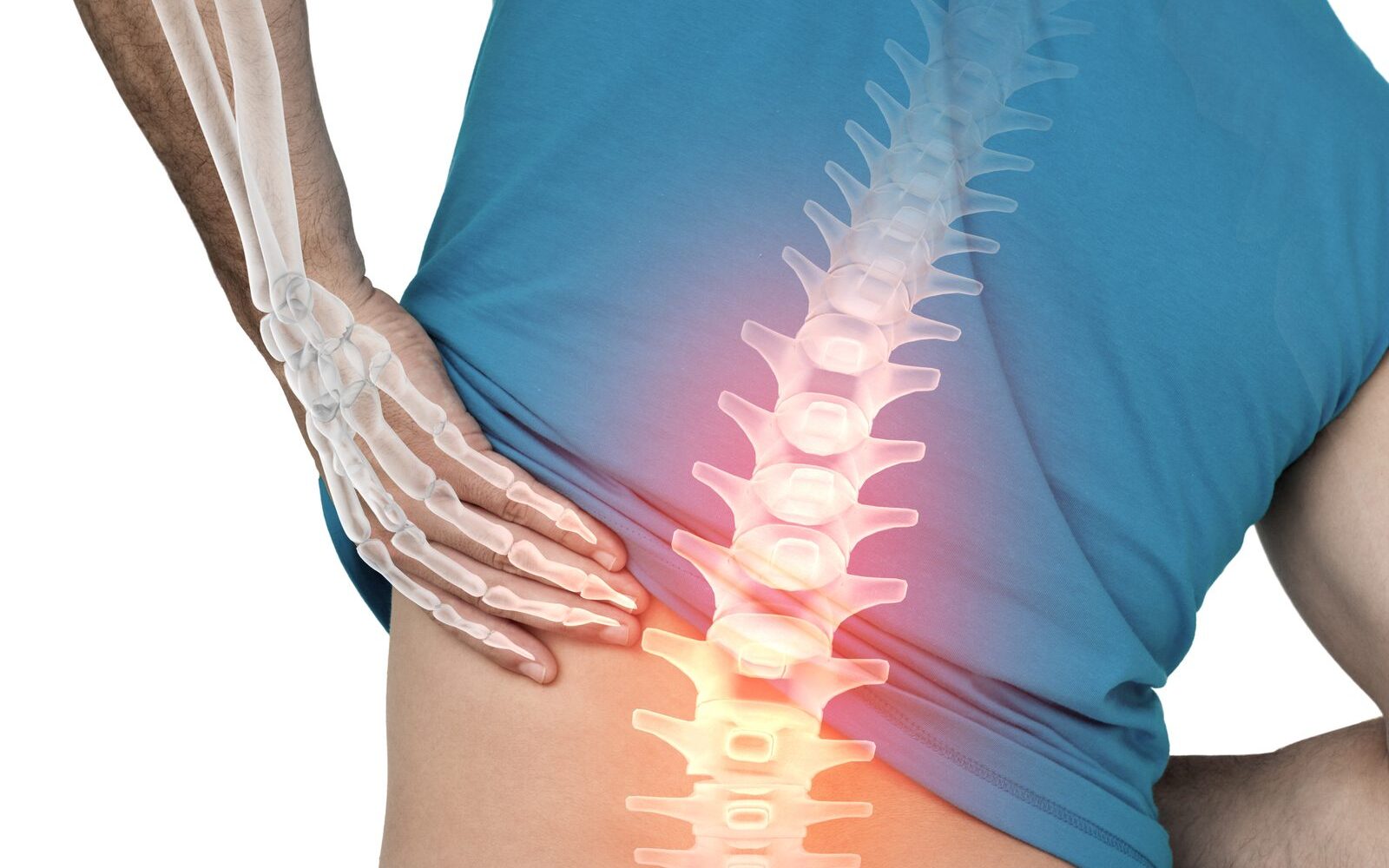
Specialized Care for Persistent or Recurrent Pain After Spine Surgery
Spine surgery can successfully address many structural problems, but some patients continue to experience pain—or develop new or recurrent symptoms—after a procedure. Persistent pain following lumbar spine surgery is commonly referred to as Failed Back Surgery Syndrome (FBSS).
The term does not necessarily mean that the surgery itself “failed.” Rather, it describes persistent or recurrent back and/or leg pain following one or more spinal procedures. The condition is also increasingly referred to as Persistent Spinal Pain Syndrome (PSPS).
At TOPS Institute, we provide comprehensive evaluation and personalized treatment for patients experiencing persistent pain after back surgery in Los Angeles and Beverly Hills. Our approach focuses on identifying the potential source of ongoing symptoms and determining whether nonsurgical or minimally invasive pain management options, including Spinal Cord Stimulation, may be appropriate.
Schedule a Consultation
What Is Failed Back Surgery Syndrome?
Failed Back Surgery Syndrome is a term used to describe persistent, recurrent, or new spinal or nerve-related pain following spine surgery.
Symptoms may remain after the original procedure, return after a period of improvement, or develop differently following surgery.
FBSS may occur after procedures involving the lumbar spine, including:
- Lumbar decompression
- Laminectomy
- Discectomy or microdiscectomy
- Spinal fusion
- Other lumbar spine procedures
Because many different conditions can produce persistent pain after surgery, FBSS is better understood as a clinical syndrome rather than a single diagnosis with one specific cause.
Identifying why pain persists after surgery is therefore an essential part of determining the appropriate treatment.
What Is Persistent Spinal Pain Syndrome (PSPS)?
Persistent Spinal Pain Syndrome (PSPS) is a newer term used to describe chronic spinal pain that persists despite previous treatment and may occur with or without prior spine surgery.
Persistent pain following spinal surgery is often classified within this broader terminology.
Although Failed Back Surgery Syndrome remains widely recognized and commonly used by patients and healthcare professionals, the term can be misleading because persistent pain does not necessarily indicate that the surgery was performed incorrectly or that it failed to accomplish its intended purpose.
A patient may have successful correction of one structural problem while continuing to experience pain from another spinal structure or nerve.
Why Can Pain Continue After Back Surgery?
There is no single cause of Failed Back Surgery Syndrome.
Persistent or recurrent pain following lumbar surgery may be associated with:
- Continued or recurrent nerve compression
- Lumbar radiculopathy
- Recurrent disc herniation
- Spinal stenosis
- Scar tissue around spinal nerves
- Degenerative changes at other spinal levels
- Facet joint pain
- Sacroiliac joint dysfunction
- Changes in spinal biomechanics
- Adjacent segment degeneration following fusion
- Persistent nerve injury or neuropathic pain
In some cases, more than one factor may contribute to a patient’s symptoms.
For this reason, treatment should not be based simply on the fact that a patient previously underwent surgery. A comprehensive evaluation is needed to identify the likely source or sources of ongoing pain.
Symptoms of Failed Back Surgery Syndrome
Symptoms can vary depending on the original spinal condition, type of surgery performed, structures involved, and underlying cause of persistent pain.
Patients may experience:
- Persistent lower back pain
- Recurrent back pain after an initial period of improvement
- Pain traveling into the buttock or leg
- Sciatica
- Burning or electric-like nerve pain
- Numbness or tingling
- Leg or foot weakness
- Muscle spasms
- Reduced mobility
- Difficulty sitting or standing for extended periods
- Difficulty walking or exercising
- Sleep disruption related to pain
- Reduced ability to work or perform everyday activities
Some patients experience predominantly axial lower back pain, while others have significant neuropathic or radicular pain extending into one or both legs.
Understanding the pattern of symptoms can help determine which structures may be contributing to the pain.
Can Failed Back Surgery Syndrome Cause Sciatica?
Patients with persistent pain after lumbar spine surgery may experience sciatica or lumbar radiculopathy if a spinal nerve remains irritated, compressed, or injured.
Symptoms may include shooting or burning pain extending from the lower back or buttock into the leg, as well as numbness, tingling, or weakness.
Possible causes include recurrent disc herniation, persistent spinal stenosis, postoperative changes, or other sources of nerve irritation.
Learn More About Lumbar Radiculopathy (Sciatica)
How Is Persistent Pain After Back Surgery Evaluated?
Treatment begins by understanding what has changed since surgery and determining the most likely source of persistent symptoms.
At TOPS Institute, evaluation may include a detailed review of:
- The original diagnosis
- Type of spine surgery performed
- Symptoms before surgery
- Symptoms after surgery
- Whether surgery initially provided relief
- Location and pattern of current pain
- Numbness, tingling, or weakness
- Previous injections or procedures
- Physical therapy and medications previously attempted
- How symptoms affect daily function
A physical and neurological examination may evaluate strength, sensation, reflexes, spinal mobility, and other findings.
When clinically appropriate, imaging such as MRI, CT, or X-rays may be reviewed or obtained to evaluate postoperative anatomy and determine whether structural changes could be contributing to symptoms.
The goal is to identify a treatable pain generator whenever possible rather than assuming that persistent pain is simply an unavoidable consequence of surgery.
How Is Failed Back Surgery Syndrome Treated?
Treatment depends on the suspected source of pain, previous procedures, neurological findings, severity of symptoms, overall health, and response to earlier treatments.
Depending on the patient’s condition, treatment may include:
- Physical therapy
- Activity modification
- Appropriate medications
- Targeted spinal injections
- Treatment for facet-mediated pain
- Treatment for sacroiliac joint pain
- Epidural steroid injections for appropriate nerve-related symptoms
- Neuromodulation, including Spinal Cord Stimulation
The goal is to develop a treatment plan based on the patient’s current source of pain rather than repeating treatments that have already been unsuccessful.
Spinal Cord Stimulation for Failed Back Surgery Syndrome
For selected patients with persistent chronic pain after spine surgery, Spinal Cord Stimulation (SCS) may be considered.
Spinal Cord Stimulation is a form of neuromodulation that uses mild electrical impulses to modify pain signals before they are perceived by the brain.
A small device generates electrical stimulation that is delivered through thin leads positioned near the spinal cord.
SCS may be considered for certain patients with persistent neuropathic back and/or leg pain who have not achieved adequate relief with more conservative treatment.
One important feature of Spinal Cord Stimulation is the ability to undergo a temporary trial before permanent implantation. During the trial period, patients can evaluate how effectively stimulation reduces their pain and improves function before deciding whether to proceed with a permanent system.
Learn More About Spinal Cord Stimulation
Who May Be a Candidate for Spinal Cord Stimulation?
Spinal Cord Stimulation is not appropriate for every patient with persistent pain following spine surgery.
Potential candidates may include selected patients who:
- Have persistent chronic pain despite appropriate conservative treatment
- Experience significant neuropathic or nerve-related pain
- Continue to have pain after one or more spinal procedures
- Do not have another correctable structural condition requiring different treatment
- Have symptoms that significantly affect daily function or quality of life
- Are medically appropriate for the procedure
- Experience meaningful improvement during an SCS trial
A comprehensive evaluation is necessary to determine whether Spinal Cord Stimulation is appropriate.
Learn More About Spinal Cord Stimulation
Other Interventional Treatments After Back Surgery
Not every patient with persistent pain after spinal surgery requires Spinal Cord Stimulation.
If evaluation identifies another specific source of pain, a more targeted intervention may be appropriate.
For example, treatment may include:
- Epidural steroid injections when spinal nerve inflammation contributes to radicular pain
- Lumbar medial branch blocks when facet-mediated pain is suspected
- Lumbar radiofrequency ablation for appropriately diagnosed facet joint pain
- Sacroiliac joint injections when the SI joint is identified as a potential source of symptoms
This diagnosis-driven approach allows treatment to target the current source of pain rather than relying solely on the patient’s previous surgical history.
Do I Need Another Back Surgery?
Persistent pain after spine surgery does not automatically mean another operation is necessary.
In some cases, imaging or neurological findings may identify a structural problem that warrants surgical evaluation. In others, additional surgery may not be the most appropriate next step.
Interventional pain management can provide nonsurgical options for selected patients when symptoms arise from nerve-related pain, facet joints, the sacroiliac joint, or other identifiable pain generators.
Patients with severe or rapidly worsening weakness, loss of bowel or bladder control, numbness around the groin or saddle region, or other significant neurological changes should seek prompt medical evaluation.
Failed Back Surgery Syndrome Treatment at TOPS Institute
Persistent pain after spine surgery can be particularly frustrating when a patient has already undergone extensive treatment and expected the procedure to provide lasting relief.
At TOPS Institute, previous surgery is only one part of the clinical picture.
Our approach focuses on determining what is causing the patient’s pain now.
By evaluating symptoms, neurological findings, postoperative anatomy, imaging, previous treatments, and functional limitations, we can determine whether targeted interventional pain management or advanced neuromodulation may be appropriate.
For selected patients with persistent neuropathic pain following lumbar spine surgery, Spinal Cord Stimulation may provide an option for managing chronic pain without another major spine operation.
For patients seeking treatment for Failed Back Surgery Syndrome, Persistent Spinal Pain Syndrome, or chronic pain after back surgery in Los Angeles or Beverly Hills, TOPS Institute provides personalized interventional pain management focused on reducing pain and improving function.
Schedule a Consultation
Frequently Asked Questions About Failed Back Surgery Syndrome
What does Failed Back Surgery Syndrome mean?
Failed Back Surgery Syndrome describes persistent, recurrent, or new back or leg pain following spinal surgery. The term does not necessarily mean that the surgery was performed incorrectly or failed to accomplish its intended purpose.
What is Persistent Spinal Pain Syndrome?
Persistent Spinal Pain Syndrome, or PSPS, is a newer term used to describe persistent spinal pain that may occur with or without previous spine surgery. It can provide a more accurate description than the traditional term Failed Back Surgery Syndrome.
Why do I still have pain after back surgery?
Pain may continue for many reasons, including persistent nerve irritation, recurrent disc herniation, spinal stenosis, postoperative scar tissue, facet joint pain, sacroiliac joint dysfunction, adjacent segment degeneration, or persistent neuropathic pain. Evaluation is necessary to determine the likely cause.
Can Failed Back Surgery Syndrome be treated without another surgery?
Yes. Depending on the source of pain, nonsurgical treatment may include physical therapy, medications, targeted injections, radiofrequency ablation, or neuromodulation such as Spinal Cord Stimulation. Treatment should be individualized to the patient’s diagnosis.
What is Spinal Cord Stimulation?
Spinal Cord Stimulation is a neuromodulation treatment that uses mild electrical impulses to modify pain signals traveling through the nervous system. It may be considered for selected patients with persistent chronic neuropathic pain who have not experienced sufficient improvement with other treatments.
Learn More About Spinal Cord Stimulation
Can I try Spinal Cord Stimulation before getting a permanent implant?
Yes. One of the key features of Spinal Cord Stimulation is the ability to complete a temporary trial before permanent implantation. The trial allows the patient and provider to evaluate whether stimulation provides meaningful improvement in pain and function.
Is Spinal Cord Stimulation only for people who have had back surgery?
No. Spinal Cord Stimulation may be used for several chronic pain conditions. Previous spine surgery is not always required. Whether SCS is appropriate depends on the patient’s diagnosis, type of pain, previous treatments, overall health, and response to an SCS trial.
Does persistent pain after back surgery mean I need another operation?
Not necessarily. Some structural problems may require surgical evaluation, but other causes of persistent postoperative pain may be managed nonsurgically. A comprehensive evaluation can help determine whether additional surgery, interventional pain management, or another treatment approach is appropriate.
Get Help for Persistent Pain After Back Surgery
If you continue to experience lower back or leg pain despite previous spine surgery, identifying the source of your current symptoms is an important first step toward determining what treatment options remain available.
Schedule a consultation with TOPS Institute in Los Angeles or Beverly Hills for a personalized evaluation of Failed Back Surgery Syndrome, Persistent Spinal Pain Syndrome, and chronic pain following spine surgery.
Schedule an Appointment