
Harness Your Body’s Natural Healing Response
If you’re living with chronic joint pain, tendon injuries, or sports-related musculoskeletal conditions, Platelet-Rich Plasma (PRP) Therapy may be a minimally invasive treatment option worth considering. At TOPS Institute, we provide advanced PRP therapy in Los Angeles using image-guided techniques and individualized processing methods designed to support your body’s natural healing response.
PRP therapy uses a concentrated portion of your own blood containing platelets and naturally occurring growth factors. These platelets are injected into the affected area with the goal of promoting tissue healing and reducing pain in carefully selected patients.
Our board-certified interventional pain management specialists create personalized regenerative medicine treatment plans based on your diagnosis, lifestyle, and long-term goals.
Book An Appointment Today
What Is Platelet-Rich Plasma (PRP) Therapy?
Platelet-Rich Plasma (PRP) Therapy is a regenerative medicine treatment that uses your own blood to create a concentrated platelet solution that is injected into injured or painful tissues.
Platelets are best known for helping blood clot after an injury, but they also contain naturally occurring growth factors involved in the body’s healing process.
During PRP therapy:
- A small sample of your blood is collected.
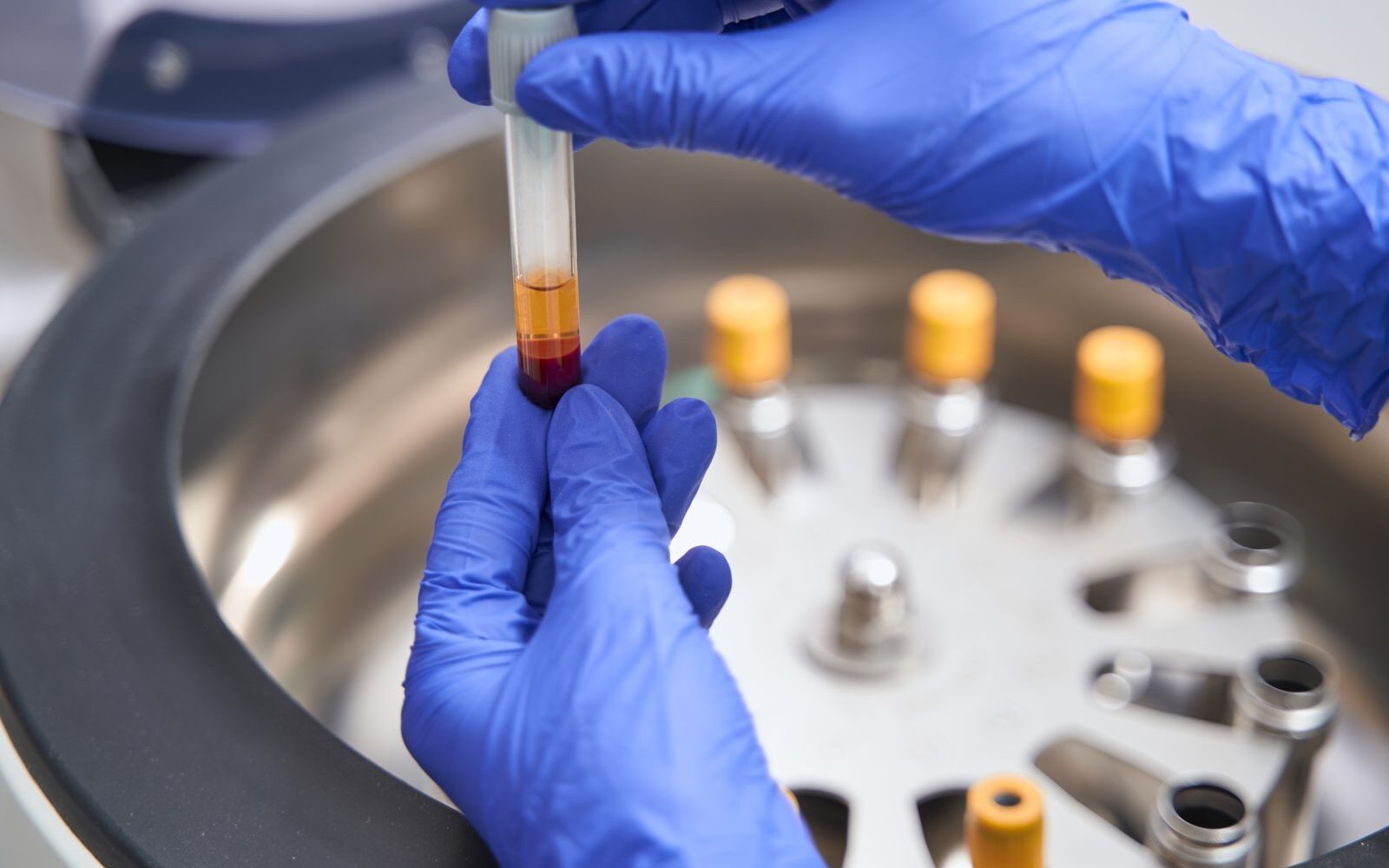
- The blood is processed using specialized centrifuge equipment.
- Platelets are concentrated and separated from other blood components.
- The PRP is injected into the targeted area using image guidance when appropriate.
Because PRP uses your own blood, there is no donor tissue involved, and the risk of immune rejection is very low.
How Does PRP Therapy Work?
PRP is intended to support the body’s natural healing response.
When injected into selected injured tissues, the concentrated platelets release growth factors that may help support tissue repair and reduce inflammation.
Unlike cortisone injections, which primarily focus on reducing inflammation, PRP is used with the goal of supporting the body’s healing process. Individual results vary, and PRP is not appropriate for every condition.
Conditions That May Benefit from PRP Therapy
PRP therapy may be considered for selected patients with:
- Knee osteoarthritis
- Hip osteoarthritis
- Shoulder pain
- Tennis elbow
- Golfer’s elbow
- Rotator cuff tendinopathy
- Achilles tendinopathy
- Patellar tendinopathy
- Plantar fasciitis
- Ligament injuries
- Muscle strains
- Sports injuries
- Certain chronic back pain conditions after evaluation
Whether PRP is appropriate depends on the specific diagnosis, severity of tissue damage, previous treatments, and individual patient factors.
Our PRP Treatment Process
Comprehensive Evaluation
Every patient begins with a detailed consultation that includes:
- Medical history
- Physical examination
- Imaging review
- Previous treatments
- Functional goals
This evaluation helps determine whether PRP is an appropriate treatment option.
Personalized PRP Processing
Not every PRP preparation is the same.
Our physicians customize PRP preparation based on the condition being treated. Depending on the clinical situation, this may include adjusting platelet concentration or selecting specific processing techniques designed to optimize the biologic product for the intended treatment.
High-Dose PRP
For selected patients, we may utilize High-Dose PRP (HD-PRP), which involves processing methods designed to achieve a higher concentration of platelets.
The most appropriate PRP preparation depends on the diagnosis and treatment goals rather than using the same preparation for every patient.
Leukocyte-Poor PRP (LP-PRP)
For certain joint conditions, Leukocyte-Poor PRP (LP-PRP) may be recommended.
This preparation reduces white blood cell concentration while preserving platelets and growth factors, depending on the treatment strategy and clinical indication.
Image-Guided PRP Injections
When clinically appropriate, injections are performed using:
- Ultrasound guidance
- Fluoroscopic (X-ray) guidance
Image guidance improves procedural accuracy by helping ensure the PRP is delivered precisely to the targeted tissue.
Why Image Guidance Matters
Successful regenerative procedures depend on more than simply preparing PRP.
Accurate placement of the injection is essential, particularly when treating tendons, ligaments, joints, and other complex musculoskeletal structures.
Using advanced imaging guidance allows our physicians to precisely target the treatment area while minimizing unnecessary tissue trauma.
Not All PRP Treatments Are the Same
PRP therapy can vary considerably depending on several factors, including:
- Physician experience
- Blood collection methods
- Platelet concentration
- Processing equipment
- PRP formulation
- Image guidance
- Individual patient characteristics
Because there is currently no universal standard for PRP preparation, treatment quality may differ significantly between providers.
At TOPS Institute, we emphasize individualized treatment planning, advanced laboratory processing, and precise image-guided injection techniques to provide high-quality regenerative care.
Benefits of PRP Therapy
For appropriately selected patients, PRP therapy may help:
- Support the body’s natural healing response
- Reduce joint and tendon pain
- Improve physical function
- Promote recovery from sports injuries
- Improve participation in rehabilitation
- Delay more invasive procedures in selected cases
- Provide a minimally invasive treatment option without corticosteroids
Individual outcomes vary depending on the condition being treated and patient-specific factors.
Why Choose TOPS Institute?
Board-Certified Pain Specialists
Our physicians specialize in interventional pain management and regenerative medicine with extensive experience treating musculoskeletal conditions.
Advanced PRP Processing
We utilize modern processing methods to create individualized PRP preparations based on each patient’s diagnosis and treatment goals.
Precision Image Guidance
Ultrasound and fluoroscopic guidance are used when appropriate to maximize treatment accuracy and improve procedural precision.
Personalized Regenerative Medicine
Every treatment plan is tailored to your condition, activity level, imaging findings, and long-term goals.
Risks & Possible Side Effects
PRP therapy is generally considered low risk because it uses your own blood product.
Potential risks include:
- Temporary soreness
- Swelling
- Bruising
- Bleeding
- Infection
- Temporary increase in pain
- Failure to achieve meaningful improvement
Our physicians discuss the expected benefits, potential risks, and available treatment alternatives before recommending PRP therapy.
Frequently Asked Questions
What is a PRP injection?
A PRP injection uses a concentrated portion of your own blood that contains platelets and growth factors. The PRP is injected into the targeted area with the goal of supporting the body’s natural healing response.
What conditions can PRP treat?
PRP may be considered for selected patients with tendon injuries, ligament injuries, osteoarthritis, sports injuries, and certain chronic musculoskeletal conditions. Treatment recommendations depend on the diagnosis and overall evaluation.
Is PRP effective for chronic pain?
PRP may help some patients with chronic musculoskeletal pain, although evidence varies depending on the condition being treated. Results are individualized and cannot be guaranteed.
How long does it take to see results?
Some patients begin noticing improvement within several weeks, while others require several months to evaluate the full response. Healing occurs gradually and varies between individuals.
Is PRP safe?
Yes. PRP is generally considered low risk because it uses your own blood. As with any injection procedure, potential risks include infection, bleeding, soreness, swelling, and failure to improve.
How long does the procedure take?
Most PRP appointments require approximately 45 to 60 minutes, including blood collection, processing, preparation, and image-guided injection.
How is PRP different from cortisone injections?
Corticosteroid injections primarily reduce inflammation and provide symptom relief, while PRP is intended to support the body’s natural healing response by delivering concentrated platelets and growth factors. The most appropriate treatment depends on your diagnosis and treatment goals.
Will insurance cover PRP therapy?
Many commercial insurance plans do not cover PRP therapy because it is considered a regenerative medicine procedure. Our office can discuss treatment costs and payment options during your consultation.
Is PRP better than surgery?
PRP is not a replacement for surgery in every situation. It may be an appropriate nonsurgical option for selected patients depending on the diagnosis, severity of injury, and treatment goals.
Am I a candidate for PRP?
The best way to determine candidacy is through a comprehensive evaluation with one of our physicians. We consider your diagnosis, imaging findings, previous treatments, overall health, and goals before recommending PRP therapy.
Schedule Your PRP Consultation in Los Angeles
If joint pain, tendon injuries, arthritis, or sports-related conditions are preventing you from living an active life, Platelet-Rich Plasma (PRP) Therapy may be one of several regenerative treatment options available to you.
At TOPS Institute, our experienced physicians provide advanced PRP therapy in Los Angeles using personalized processing techniques, image-guided injections, and evidence-based regenerative medicine to help support healing and improve function.
Contact us today to schedule your consultation and learn whether PRP therapy is the right treatment for your condition.