
Regenerative medicine attracts strong claims in both directions — miracle cure or expensive placebo. The reality is more specific than either, and it depends almost entirely on what is actually wrong with the tissue.
What PRP is
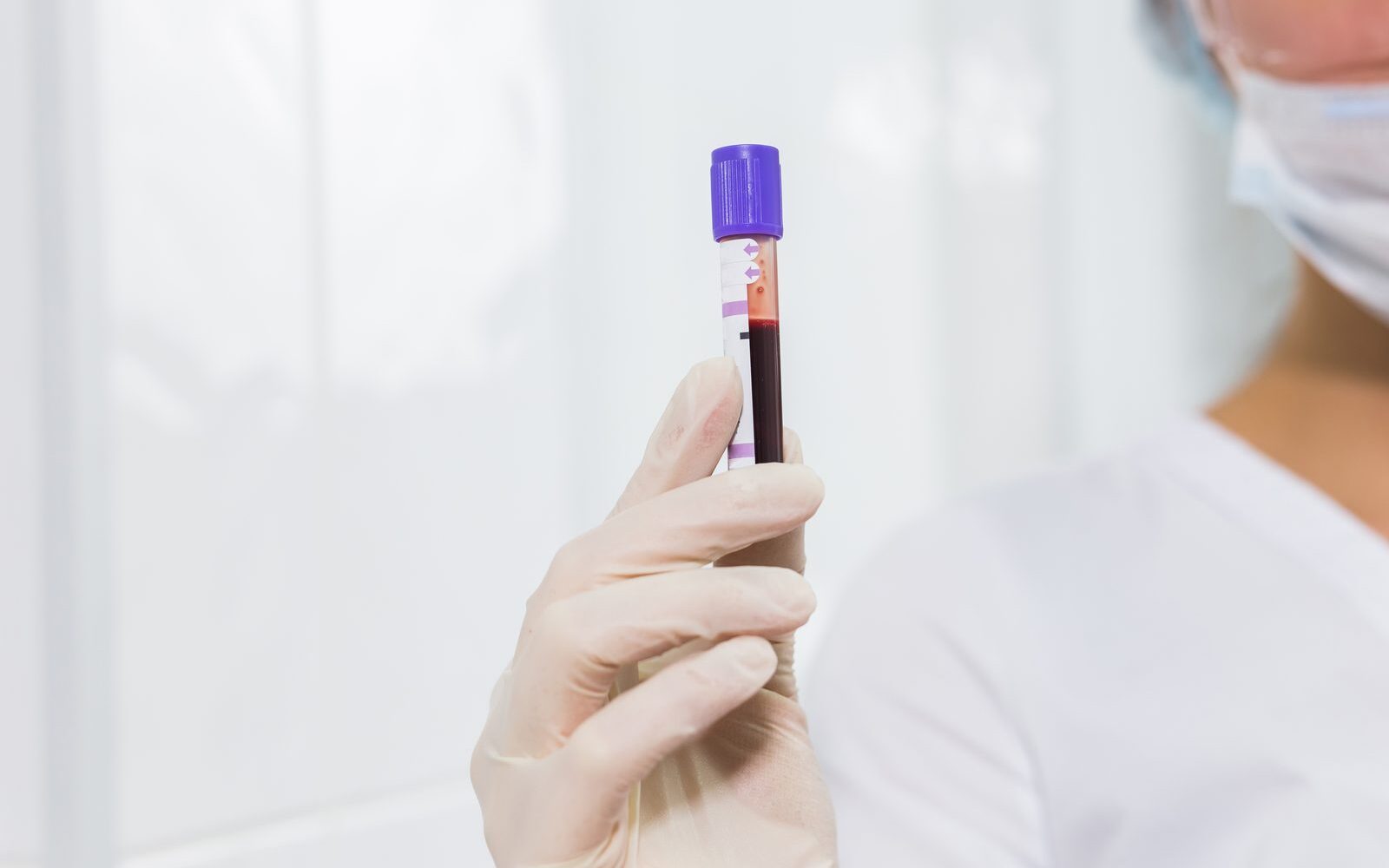
Platelet-Rich Plasma is prepared from a sample of your own blood. Platelets contain growth factors and signalling proteins involved in the body’s natural healing response. Concentrated and injected into a carefully selected area, PRP may help support tissue repair and recovery.
At TOPS Institute we offer High-Dose PRP, using individualised preparation methods designed to reach an appropriate platelet concentration for the tissue being treated. Preparation method matters — it is one reason results reported across clinics vary so widely.
Conditions that may respond
PRP may be considered for selected conditions such as:
- Knee osteoarthritis
- Rotator cuff tendinopathy
- Tennis elbow and golfer’s elbow
- Achilles tendinopathy
- Patellar tendinopathy
- Plantar fasciitis
- Gluteal tendinopathy
- Ligament and muscle injuries
- Chronic tendon pain
Results vary, and PRP is not appropriate for every injury. A complete evaluation is needed to determine whether the affected tissue is likely to respond — a degenerative tendon behaves differently from a complete structural tear.
Potential benefits
PRP may offer:
- Support for the body’s own healing response
- Reduced pain in selected conditions
- Improved function
- An alternative to corticosteroid exposure
- Minimally invasive treatment with limited downtime
- Use of the patient’s own blood product
PRP versus cortisone
This comes up in almost every consultation, and neither treatment is universally better.
Corticosteroid injections reduce inflammation and can provide faster temporary relief. They are useful for calming an arthritis flare, bursitis or synovitis — particularly when pain is preventing rehabilitation. They are not ideal for repeated use around certain tendons.
PRP aims to support a healing response rather than suppress inflammation. It generally takes longer to work and may require a more structured recovery plan.
The right choice depends on the tissue involved, the diagnosis, the severity of injury and your goals — not on which treatment sounds more advanced.
A word of caution about stem cell claims
Some clinics market treatments as stem cell therapy for cartilage, tendon, ligament or joint injuries. Patients deserve a straight answer here: evidence, regulation, product quality and appropriate indications vary significantly between providers and products.
Many cell-based treatments remain investigational for common orthopedic conditions. They should be discussed carefully with a qualified physician, with clear expectations about what is known and what is not.
We evaluate regenerative options based on the available evidence, your individual diagnosis, the expected benefit and the alternatives — including the option of not doing the procedure.
Where PRP fits in a wider plan
Regenerative treatment is rarely the whole answer. It is most useful as part of a plan that also addresses the mechanics that produced the injury: strength, flexibility, load management, technique and training volume.
Pain relief alone does not correct the weakness, stiffness or movement pattern that contributed to the problem in the first place.