
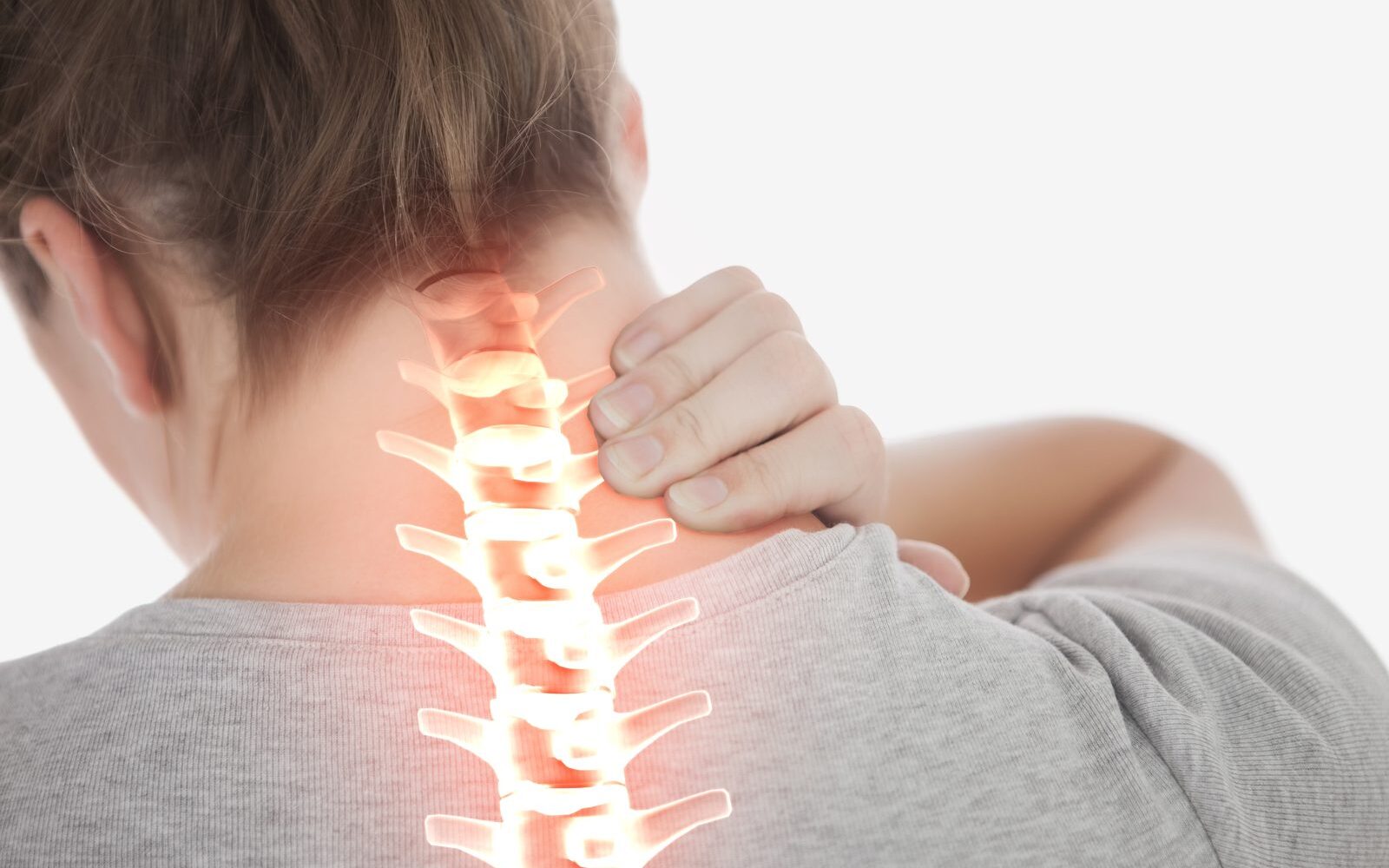
Neck pain is one of the most common reasons people seek care, and desk work is one of the most common contributors. Long hours at a screen place sustained load on the cervical spine, and the tissues that hold your head up eventually protest.
The useful question is not whether your posture is perfect. It is which structure is generating the pain — because that determines whether this resolves with movement changes or needs treatment.
The common culprit: mechanical neck pain
Mechanical Neck Pain typically develops from muscle strain, ligament stress, poor posture, prolonged desk work, repetitive movements, or everyday wear on the cervical spine.
Symptoms often include:
- Neck stiffness and muscle tightness
- Pain with movement
- Reduced range of motion
- Headaches originating from the neck
This kind of pain is generally load-related. It builds through the day, eases with movement and rest, and stays in the neck and shoulders rather than travelling down the arm.
For most people, meaningful improvement comes from changing the load rather than chasing the symptom: moving more often, varying position, adjusting screen height, and strengthening the muscles that support the neck.
When it is not just posture
Certain patterns point to something more specific.
Nerve-root involvement
Cervical Radiculopathy (Pinched Nerve) occurs when a nerve root in the neck is irritated or compressed. Pain often travels into the shoulder, arm or hand, and may bring numbness, tingling, burning or weakness.
Common causes include Cervical Disc Herniation and Cervical Spinal Stenosis.
Arm symptoms — particularly numbness, tingling or weakness — are the signal to stop attributing this to posture and get it evaluated.
Facet joint pain
The cervical facet joints are small joints along the back of the neck. When arthritic or irritated, they can produce aching neck pain that worsens with extension or rotation.
Cervical Spondylosis (Neck Arthritis) is a common cause. Typical features include pain when turning the head or looking upward, tenderness along the spine, reduced range of motion, and referred discomfort into the shoulder blades. It often eases when bending forward.
Headaches that start in the neck
Not all headaches originate in the head. A Cervicogenic Headache begins in the cervical spine, commonly from irritation of the upper cervical joints, muscles or nerves.
Features may include pain that starts in the neck and radiates to the back of the head, pain behind one eye, reduced neck mobility, and headaches worsened by neck movement or prolonged sitting.
Occipital Headaches are a related pattern worth evaluating when pain concentrates at the base of the skull.
How the source gets confirmed
When symptoms persist, guessing becomes expensive. Evaluation may include examination, imaging review, and diagnostic injections.
For suspected facet or cervicogenic pain, Cervical Medial Branch Blocks temporarily numb the small nerves supplying the facet joints. Significant temporary relief suggests those joints are responsible — and indicates whether Cervical Radiofrequency Ablation is likely to provide longer-lasting relief.
For nerve-root pain, a Cervical Epidural Steroid Injection can reduce inflammation around the irritated nerve.
What to do first
If your neck pain is recent, load-related and stays in the neck, start with the basics: move more frequently, change position through the day, and build strength and mobility.
Seek evaluation if pain persists beyond several weeks, limits daily activity, radiates into the arm, or comes with numbness, tingling or weakness. Seek urgent care for symptoms such as major trauma, progressive weakness, or loss of coordination.