
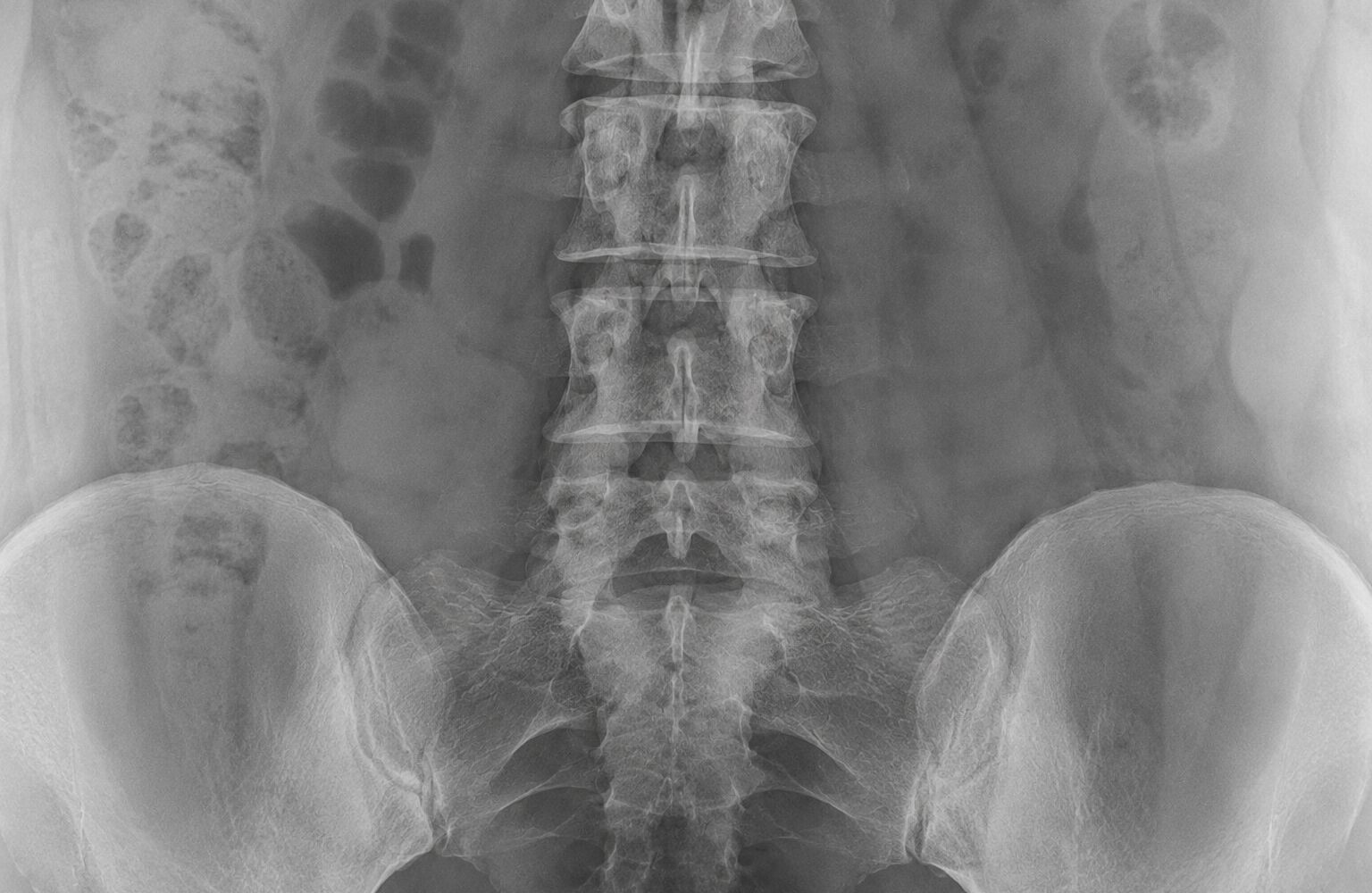
Targeted Treatment for Spinal CSF Leaks and Post-Dural Puncture Headaches
A severe headache that becomes worse when sitting or standing and improves after lying down may sometimes occur when cerebrospinal fluid (CSF) leaks from the tissues surrounding the brain and spinal cord. This can develop after a lumbar puncture or other procedure involving the dura, or it may occur spontaneously.
An epidural blood patch is a procedure that uses a small amount of a patient’s own blood to help seal certain cerebrospinal fluid leaks and relieve associated positional headaches.
At TOPS Institute, we provide evaluation and interventional treatment for patients with suspected spinal CSF leaks, post-dural puncture headaches, and spontaneous intracranial hypotension in Los Angeles and Beverly Hills. When clinically appropriate, an epidural blood patch may help restore normal CSF dynamics and improve symptoms.
Schedule a Consultation
What Is an Epidural Blood Patch?
An epidural blood patch is a procedure in which a patient’s own blood is injected into the epidural space to help seal a cerebrospinal fluid leak.
Cerebrospinal fluid surrounds and supports the brain and spinal cord.
The CSF is contained by protective membranes, including the dura mater.
If the dura develops an opening, cerebrospinal fluid may escape. This can reduce CSF volume and alter the normal pressure and support surrounding the brain.
One of the most recognizable symptoms is a positional or orthostatic headache that becomes worse while upright and improves after lying down.
An epidural blood patch is designed to help close the leak and improve the symptoms associated with CSF loss.
How Does an Epidural Blood Patch Work?
During an epidural blood patch, blood is drawn from the patient’s vein and then carefully injected into the epidural space.
The patient’s blood is used because it can coagulate and form a patch around the area of leakage.
The procedure may help in two ways.
First, the injected blood can temporarily increase pressure within the epidural space, which may produce relatively rapid improvement in some patients.
Second, as the blood clots, it may help seal the dural opening responsible for cerebrospinal fluid leakage.
The exact response varies depending on the type, location, and severity of the leak.
What Conditions Can an Epidural Blood Patch Treat?
An epidural blood patch is most commonly considered for headaches associated with cerebrospinal fluid leakage.
Potential indications include:
- Post-dural puncture headache
- Spinal CSF leak
- Spontaneous intracranial hypotension
- Persistent positional headache following certain spinal procedures
Not every headache that improves while lying down is caused by a CSF leak.
A clinical evaluation is important before determining whether an epidural blood patch is appropriate.
Epidural Blood Patch for Post-Dural Puncture Headache
A post-dural puncture headache (PDPH) may occur after the dura is punctured during a medical procedure.
This can occur following procedures such as:
- Lumbar puncture
- Spinal anesthesia
- Certain epidural procedures
- Other procedures involving the spinal canal
When the dural opening allows cerebrospinal fluid to escape, the resulting reduction in CSF volume can produce a characteristic positional headache.
Symptoms commonly worsen when the patient sits or stands and improve after lying flat.
Depending on the severity and duration of symptoms, an epidural blood patch may be considered when conservative measures do not provide adequate relief or when clinically appropriate.
Epidural Blood Patch for Spontaneous Intracranial Hypotension
A spinal CSF leak can also occur without a preceding lumbar puncture or spinal procedure.
When spontaneous CSF loss causes characteristic symptoms and imaging findings, the condition may be diagnosed as spontaneous intracranial hypotension (SIH).
Patients may experience:
- Positional headaches
- Neck pain or stiffness
- Nausea
- Dizziness
- Hearing changes
- Tinnitus
- Imbalance
- Sensitivity to light or sound
- Fatigue
- Difficulty concentrating
An epidural blood patch may be considered as part of treatment for selected patients with spontaneous spinal CSF leakage.
Learn More About Spontaneous Intracranial Hypotension
What Does a CSF Leak Headache Feel Like?
A classic spinal CSF leak headache is orthostatic, meaning symptoms change according to body position.
Patients commonly report that the headache:
- Worsens after sitting upright
- Worsens after standing
- Improves after lying down
- Returns after becoming upright again
The time required for symptoms to appear after standing can vary.
Some patients develop pain almost immediately, while others remain upright for a longer period before the headache intensifies.
Not every spinal CSF leak produces a textbook positional headache, particularly when symptoms have been present for an extended period.
How Is a CSF Leak Diagnosed?
Evaluation typically begins with a detailed medical history.
Important information may include:
- When the headache began
- Whether symptoms change with posture
- How quickly symptoms worsen after standing
- Whether lying down provides relief
- Recent lumbar puncture or spinal procedure
- Previous spinal surgery
- Head or spinal trauma
- Associated neurological symptoms
- Previous headache diagnoses
When a spontaneous CSF leak is suspected, additional evaluation may include brain MRI and specialized spinal imaging.
Some leaks can be difficult to identify, and additional diagnostic testing may be required to determine the location and mechanism of CSF loss.
How Is an Epidural Blood Patch Performed?
An epidural blood patch is generally performed as an interventional procedure.
The process typically involves:
- The patient is positioned appropriately for access to the spine.
- The treatment area is cleaned and prepared.
- Local anesthetic may be used to numb the skin and surrounding tissues.
- A needle is carefully positioned within the appropriate epidural space.
- Blood is drawn from the patient’s vein using sterile technique.
- The patient’s blood is slowly injected into the epidural space.
- The needle is removed, and the patient is monitored following the procedure.
The amount of blood and precise location of injection depend on the patient’s condition and the type of blood patch being performed.
Image guidance may be used depending on the clinical circumstances and procedural approach.
What Is a Targeted Epidural Blood Patch?
A targeted epidural blood patch is directed toward a known or suspected location of cerebrospinal fluid leakage.
If diagnostic imaging identifies the approximate spinal level of the leak, treatment may be directed toward that area.
This differs from a non-targeted blood patch, in which blood is introduced into the epidural space without a precisely localized leak site.
The appropriate approach depends on factors such as:
- Cause of the CSF leak
- Location of the leak
- Imaging findings
- Previous blood patches
- Duration of symptoms
- Individual anatomy
Targeted vs. Non-Targeted Epidural Blood Patch
Both approaches use the patient’s own blood, but the location and strategy differ.
Non-Targeted Epidural Blood Patch
A non-targeted patch may be considered when symptoms strongly suggest a spinal CSF leak but the exact leak location has not been identified.
Targeted Epidural Blood Patch
A targeted patch directs treatment closer to a known or suspected leak based on diagnostic findings.
Neither approach is universally appropriate for every patient.
Treatment should be selected according to the suspected mechanism and location of CSF leakage.
Does an Epidural Blood Patch Work Immediately?
Some patients experience relatively rapid improvement after an epidural blood patch.
Others may improve gradually over time.
The immediate effect may partly result from an increase in epidural pressure, while longer-term improvement depends on successful sealing and healing of the dural defect.
Response varies significantly between patients.
A lack of immediate improvement does not necessarily determine the final outcome, and persistent symptoms may require further evaluation.
How Successful Is an Epidural Blood Patch?
The effectiveness of an epidural blood patch depends on several factors, including:
- Cause of the leak
- Location of the leak
- Type of dural defect
- Duration of symptoms
- Whether the leak has been localized
- Previous treatments
- Individual patient factors
Some patients experience significant improvement after one procedure.
Others may experience partial relief, recurrent symptoms, or require additional treatment.
For complex spontaneous spinal CSF leaks, determining the specific leak mechanism may become particularly important when symptoms persist.
Can You Need More Than One Epidural Blood Patch?
Yes.
Some patients may require an additional blood patch if:
- The first procedure provides incomplete relief
- Symptoms return
- The leak does not completely seal
- Multiple leak sites are suspected
- The underlying leak mechanism requires additional treatment
Repeat treatment should be based on reevaluation rather than performed automatically.
Persistent symptoms may also indicate the need for additional imaging or specialist evaluation.
What Is a CSF-Venous Fistula?
A CSF-venous fistula is an abnormal connection that allows cerebrospinal fluid to drain directly into a nearby vein.
This is an important cause of spontaneous intracranial hypotension.
Unlike some dural tears, a CSF-venous fistula may not create an obvious collection of leaked fluid around the spine.
Specialized imaging may therefore be necessary to identify it.
CSF-venous fistulas may also require treatment strategies beyond a conventional epidural blood patch.
What Is Recovery Like After an Epidural Blood Patch?
Patients are typically monitored after the procedure and receive individualized recovery instructions.
Temporary symptoms may include:
- Back soreness
- Pressure at the injection area
- Temporary stiffness
- Local discomfort
Patients should follow their physician’s specific recommendations regarding activity after the procedure.
Instructions may vary depending on the location of the blood patch, underlying condition, and individual clinical circumstances.
Are Epidural Blood Patches Safe?
Epidural blood patches are commonly performed, but all procedures have potential risks.
Potential risks and side effects may include:
- Temporary back pain
- Injection-site soreness
- Temporary pressure or stiffness
- Bleeding
- Infection
- Repeat dural puncture
- Nerve irritation or injury
- Failure to completely relieve symptoms
- Other uncommon complications
Patients taking blood-thinning medications or those with certain medical conditions may require additional evaluation or procedural planning.
The potential benefits, risks, and alternatives should be discussed before treatment.
When Should You Seek Medical Care for a Positional Headache?
Medical evaluation may be appropriate when a headache:
- Consistently worsens while upright
- Improves significantly after lying down
- Begins after a lumbar puncture
- Begins after spinal or epidural anesthesia
- Develops after another spinal procedure
- Persists despite conservative treatment
- Is associated with significant neck pain, dizziness, or hearing changes
- Significantly interferes with normal activities
Seek urgent medical attention for a sudden “worst-ever” headache, new weakness, confusion, difficulty speaking, seizure, loss of consciousness, fever with significant neck stiffness, or other sudden neurological changes.
Epidural Blood Patch at TOPS Institute
A positional headache can be highly disruptive, but determining why the headache is occurring is essential before selecting treatment.
At TOPS Institute, we take a diagnosis-driven approach to suspected cerebrospinal fluid leaks.
Evaluation considers:
- Headache characteristics
- Relationship between symptoms and posture
- Recent spinal procedures
- Previous lumbar puncture
- Neurological symptoms
- Relevant imaging
- Previous treatment
When symptoms are consistent with a post-dural puncture headache or an appropriate spinal CSF leak, an epidural blood patch may be considered to help seal the leak and improve symptoms.
Patients with persistent, recurrent, or complex spontaneous leaks may require additional diagnostic imaging or specialized treatment.
For patients seeking an epidural blood patch for post-dural puncture headache, spinal CSF leak, or spontaneous intracranial hypotension in Los Angeles or Beverly Hills, TOPS Institute provides personalized interventional care based on the patient’s diagnosis and clinical presentation.
Schedule a Consultation
Frequently Asked Questions About Epidural Blood Patches
What is an epidural blood patch?
An epidural blood patch is a procedure in which a patient’s own blood is injected into the epidural space to help seal a cerebrospinal fluid leak and relieve associated symptoms.
Why does a CSF leak cause a positional headache?
Loss of cerebrospinal fluid changes the normal support and pressure relationships surrounding the brain. This can produce headaches that become worse while upright and improve after lying down.
When is an epidural blood patch needed?
It may be considered for persistent post-dural puncture headaches and selected spinal CSF leaks, including certain cases of spontaneous intracranial hypotension.
How quickly does an epidural blood patch work?
Some patients experience improvement relatively quickly, while others improve more gradually. The response depends on the cause and location of the CSF leak and whether the leak successfully seals.
Is an epidural blood patch permanent?
It may permanently seal a leak in some patients, but symptoms can persist or recur if the leak remains open, reopens, or has a mechanism that requires another treatment.
Can you have more than one epidural blood patch?
Yes. Repeat blood patching may be considered when the first procedure provides incomplete relief or symptoms recur. Persistent symptoms should be reevaluated to determine whether additional imaging or another treatment is appropriate.
Is an epidural blood patch the same as an epidural steroid injection?
No. An epidural steroid injection delivers anti-inflammatory medication to treat certain forms of spinal nerve pain. An epidural blood patch uses the patient’s own blood to help seal a cerebrospinal fluid leak.
Can an epidural blood patch treat spontaneous intracranial hypotension?
It may be used for selected patients with spontaneous intracranial hypotension caused by spinal CSF leakage. Treatment depends on the type and location of the leak and the patient’s response to previous care.
Learn More About Spontaneous Intracranial Hypotension
What happens if an epidural blood patch does not work?
Persistent symptoms may require reevaluation, additional imaging, another blood patch, or a different treatment depending on the underlying leak mechanism. Some complex leaks, including certain CSF-venous fistulas, may require specialized management.
Find Out if an Epidural Blood Patch Is Right for You
A headache that repeatedly worsens when sitting or standing and improves after lying down may indicate a change in cerebrospinal fluid volume, particularly after a lumbar puncture or spinal procedure.
Schedule a consultation with TOPS Institute in Los Angeles or Beverly Hills for evaluation of persistent positional headaches, post-dural puncture headache, spontaneous intracranial hypotension, and suspected spinal CSF leaks.
Schedule an Appointment