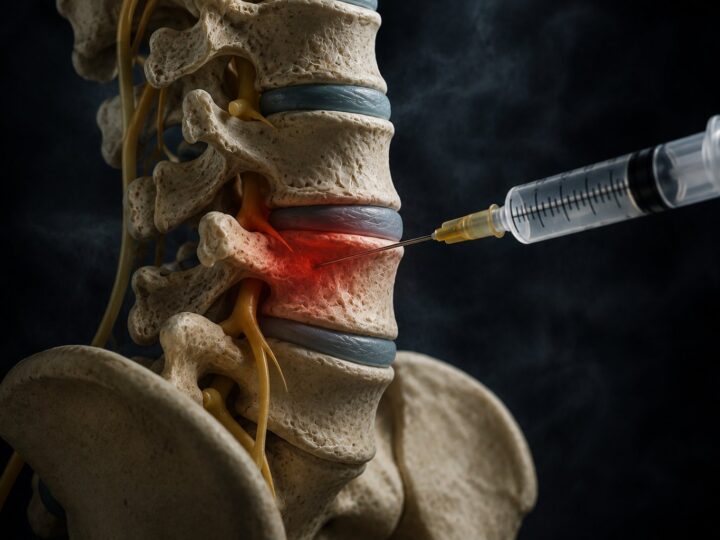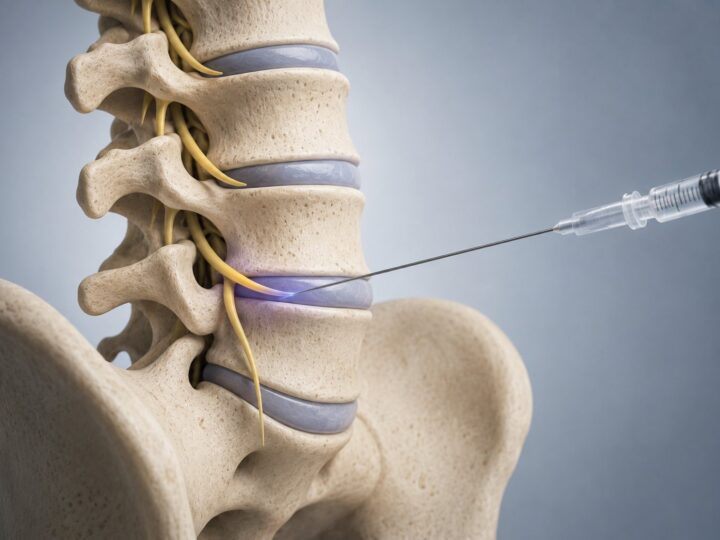
Epidural injections are minimally invasive procedures used to reduce inflammation and relieve pain caused by irritated or compressed spinal nerves. They may be recommended for patients experiencing lower back pain, neck pain, sciatica, radiating arm or leg pain, herniated discs, or spinal stenosis.
At TOPS Institute, our board-certified interventional pain management specialists perform image-guided epidural procedures for patients throughout Los Angeles, Beverly Hills, and Southern California. Each treatment is carefully selected based on the location of your symptoms, imaging findings, medical history, and response to previous care.
Our goal is to reduce pain, improve mobility, and help you participate more comfortably in physical therapy and daily activities while avoiding or delaying surgery whenever medically appropriate.
Book an Appointment Today
What Is an Epidural Steroid Injection?
An epidural steroid injection delivers anti-inflammatory medication into the epidural space surrounding the spinal cord and nerve roots. The injection usually contains a corticosteroid and may also include a local anesthetic.
The local anesthetic may provide temporary relief soon after the procedure, while the corticosteroid is intended to reduce inflammation around irritated spinal nerves over the following days.
Epidural injections may be performed in the:
- Cervical spine
- Thoracic spine
- Lumbar spine
- Sacral or caudal region
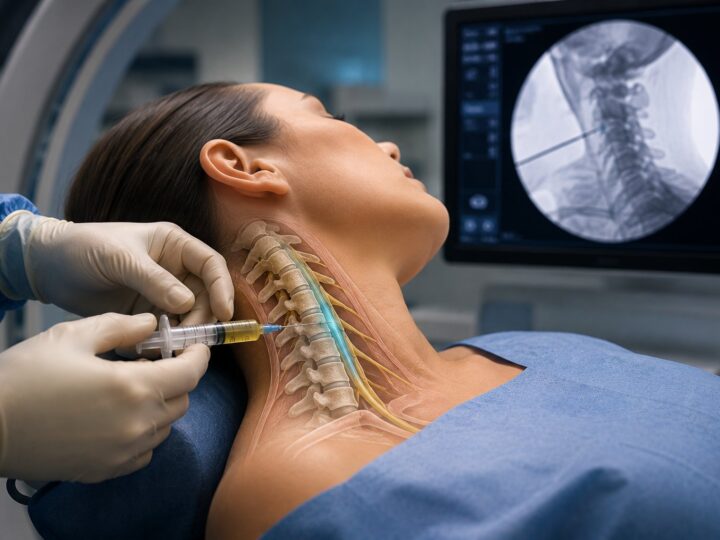
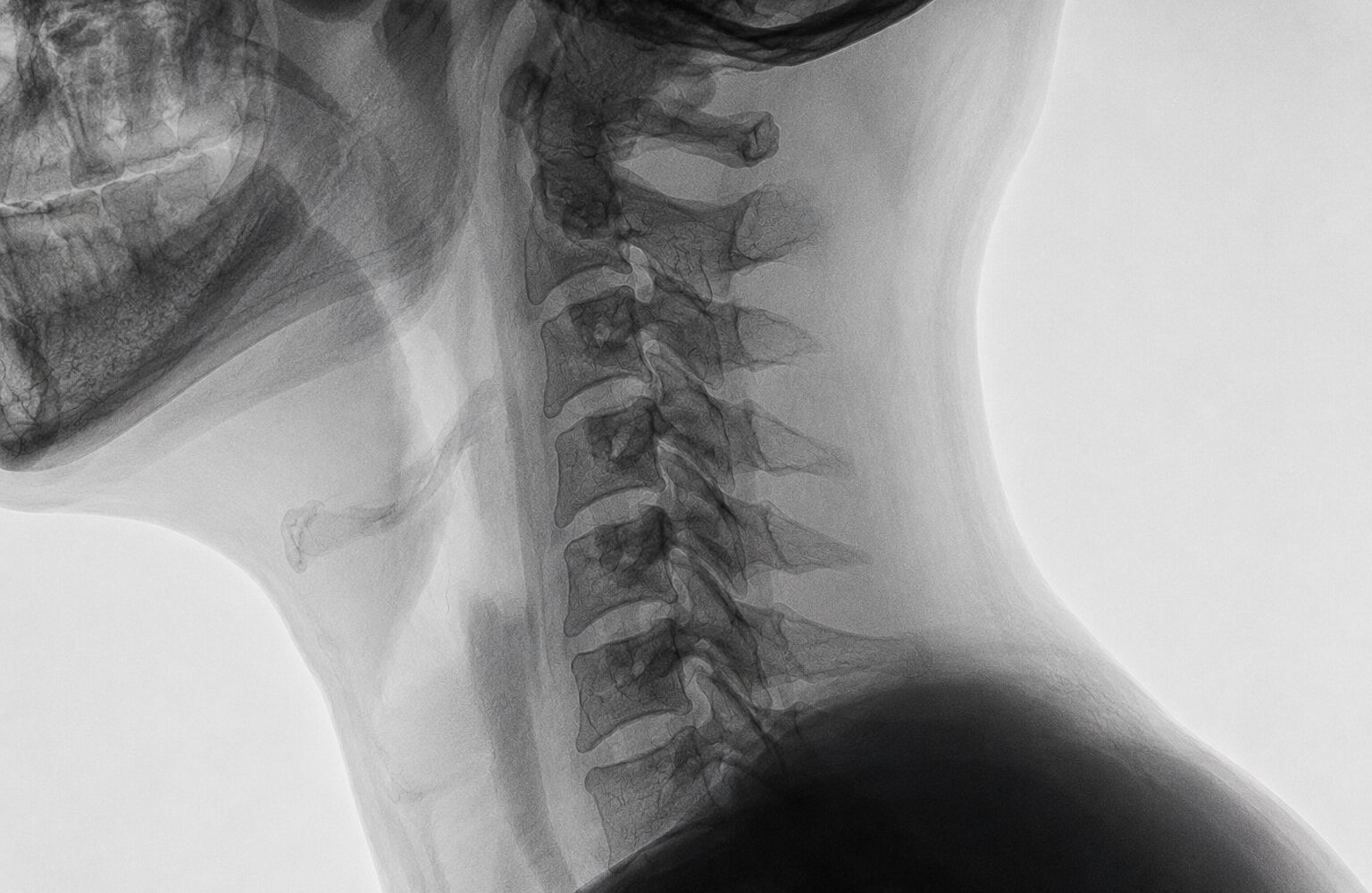
At TOPS Institute, these procedures are performed using fluoroscopic X-ray guidance and contrast dye when appropriate. Image guidance allows the physician to confirm needle placement and deliver medication as precisely as possible.
Conditions Treated With Epidural Injections
Epidural steroid injections may be recommended for pain associated with:
- Herniated or bulging discs
- Lumbar radiculopathy
- Cervical radiculopathy
- Sciatica
- Spinal stenosis
- Degenerative disc disease
- Foraminal stenosis
- Nerve root inflammation
- Radiating arm pain
- Radiating leg pain
- Pain caused by spinal arthritis
- Persistent pain after spine surgery
An epidural injection does not repair every underlying spinal condition. Instead, it is designed to reduce inflammation and create an opportunity for improved movement, rehabilitation, and symptom control.
Types of Epidural Injections
The most appropriate epidural approach depends on the location of the irritated nerve, the pattern of your symptoms, and your imaging findings.
Lumbar Epidural Steroid Injection
A lumbar epidural steroid injection targets the epidural space in the lower back. It is commonly used to treat pain that radiates from the lumbar spine into the buttocks, hips, or legs.
This procedure may be recommended for:
- Lumbar herniated discs
- Lumbar spinal stenosis
- Sciatica
- Lumbar radiculopathy
- Degenerative disc disease
- Lower-back nerve inflammation
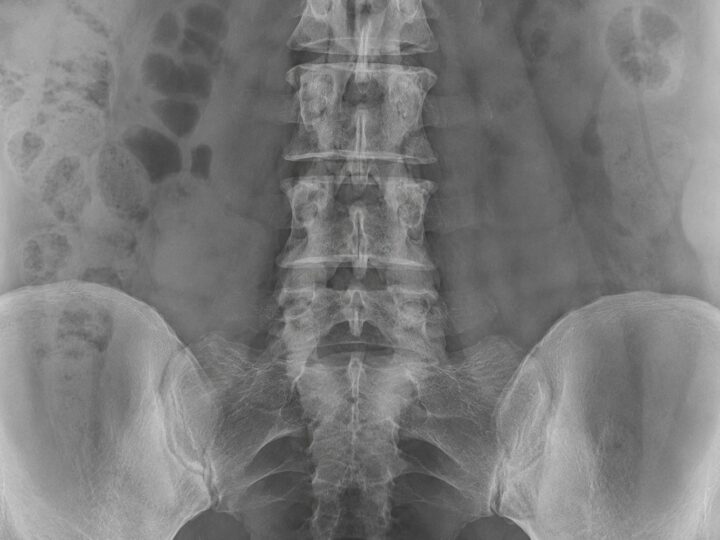
During the procedure, the physician advances a thin needle into the lumbar epidural space using fluoroscopic guidance. Contrast dye may be used to confirm the spread of medication before the injection is administered.
Some patients experience improvement within several days, while others may require one to two weeks to notice the full effect.
Cervical Epidural Steroid Injection
A cervical epidural steroid injection is performed in the neck to reduce inflammation affecting the cervical spinal nerves.
It may be used for:
- Cervical herniated discs
- Cervical spinal stenosis
- Cervical radiculopathy
- Pinched nerves in the neck
- Neck pain that radiates into the shoulder or arm
- Numbness or tingling in the arm or hand
Because the cervical spine contains delicate neurological and vascular structures, careful patient selection and image guidance are essential. Your physician will review your MRI or other imaging studies before recommending the procedure.
Caudal Epidural Steroid Injection
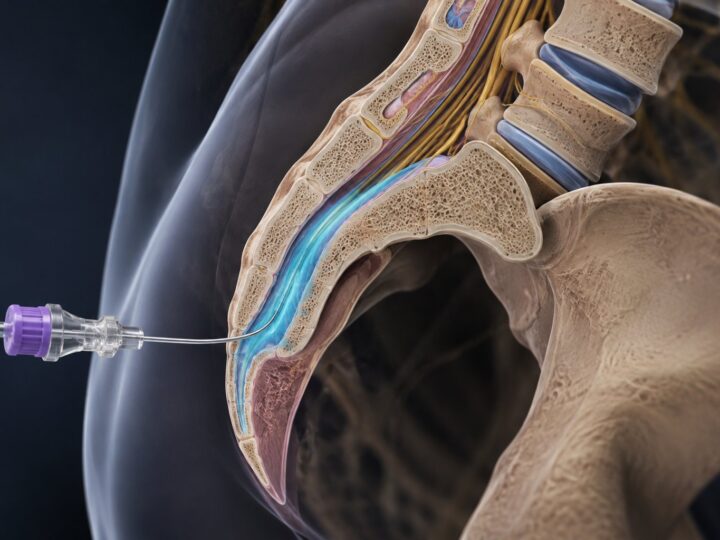
A caudal epidural steroid injection is administered through the sacral hiatus near the base of the spine. Medication then travels upward through the epidural space toward irritated nerves in the lower back.
A caudal approach may be considered for:
- Lower-back pain
- Sciatica
- Lumbar spinal stenosis
- Multiple irritated nerve roots
- Scar tissue after lumbar surgery
- Persistent pain following spine surgery
- Symptoms affecting both legs
Because medication can spread across a broader area, caudal epidural injections may be useful when pain involves multiple lower-lumbar or sacral nerve roots.
Lumbar Transforaminal Epidural Steroid Injection
A lumbar transforaminal epidural steroid injection targets a specific nerve root as it exits the lower spine through a small opening called the neural foramen.
This highly targeted approach may be recommended for:
- Lumbar radiculopathy
- Sciatica
- Foraminal stenosis
- Lumbar disc herniation
- Unilateral leg pain
- Numbness or tingling associated with nerve compression
The injection is performed under fluoroscopic guidance. Contrast dye may be used to confirm the medication pattern and help avoid unintended placement.
A lumbar transforaminal injection may also provide diagnostic information by helping determine which nerve root is responsible for the patient’s symptoms.
Cervical Transforaminal Epidural Steroid Injection
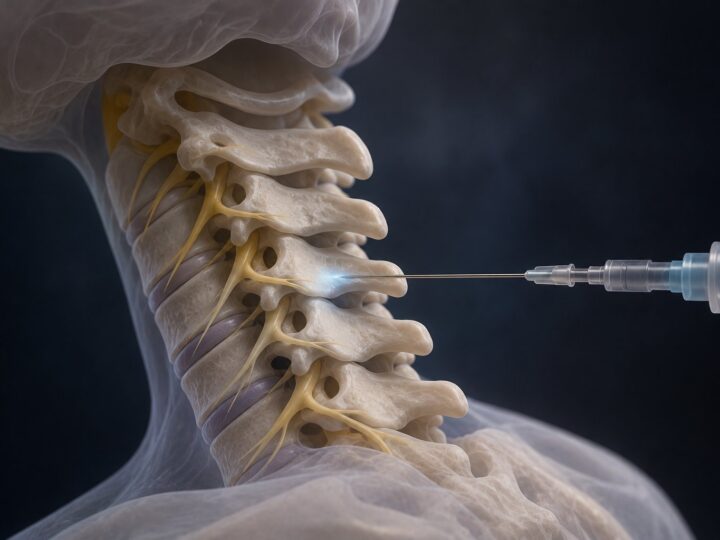
A cervical transforaminal epidural steroid injection delivers medication near a specific cervical nerve root as it exits the neck.
This approach may be considered for selected patients with:
- Cervical radiculopathy
- Foraminal stenosis
- Cervical disc herniation
- Radiating arm pain
- Numbness or tingling in the hand
- Symptoms linked to a specific cervical nerve root
Cervical transforaminal injections require especially careful planning because of the nearby arteries, spinal cord, and nerve structures. They are not appropriate for every patient.
When this technique is considered, the physician evaluates the expected benefit, available alternatives, imaging findings, medication choice, and individual risk profile. A different epidural approach may be recommended when it offers a more appropriate safety-benefit balance.
Epidural Blood Patch
An epidural blood patch is different from an epidural steroid injection. It is primarily used to treat a spinal headache caused by leakage of cerebrospinal fluid after a lumbar puncture, epidural procedure, spinal anesthesia, or an unintended dural puncture.
During the procedure, a small amount of the patient’s own blood is drawn from a vein and injected into the epidural space near the suspected leak. The blood forms a clot that helps seal the opening and restore normal cerebrospinal fluid pressure.
An epidural blood patch may be recommended for symptoms such as:
- Severe headache that worsens when sitting or standing
- Headache that improves when lying down
- Neck stiffness
- Nausea
- Dizziness
- Sensitivity to light
- Hearing changes after a spinal procedure
Many patients experience substantial improvement soon after the procedure, although response varies and additional evaluation may be needed if symptoms persist.
Interlaminar vs. Transforaminal Epidural Injections
The two most common epidural approaches are interlaminar and transforaminal.
Interlaminar epidural injection
Medication is delivered into the posterior epidural space and may spread across a broader region. This approach may be useful when symptoms involve more than one nerve root.
Transforaminal epidural injection
Medication is delivered close to a specific nerve root as it exits the spine. This approach is generally more targeted and may also help identify which nerve is generating pain.
Your physician will determine the most appropriate approach based on your symptoms, imaging findings, anatomy, and medical history.
What Happens During an Epidural Injection?
Most epidural injections are performed on an outpatient basis.
The typical process includes:
- Pre-procedure review: Your physician reviews your diagnosis, medications, allergies, imaging studies, and relevant medical history.
- Positioning: You are positioned on the procedure table according to the spinal region being treated.
- Sterile preparation: The treatment area is cleaned, and a local anesthetic is used to numb the skin.
- Image guidance: Fluoroscopy is used to guide the needle toward the epidural space or targeted nerve root.
- Contrast confirmation: A small amount of contrast dye may be injected to confirm appropriate placement.
- Medication delivery: The prescribed medication is slowly administered.
- Observation: You are monitored briefly before being discharged home.
The injection itself is often completed within several minutes, although preparation and observation make the overall visit longer.
Benefits of Epidural Steroid Injections
Epidural injections may offer several potential benefits.
Targeted Pain Relief
Medication is delivered near the inflamed spinal nerve rather than circulating throughout the entire body as an oral medication would.
Reduced Inflammation
Corticosteroids may decrease swelling and chemical irritation surrounding compressed or inflamed nerve roots.
Improved Mobility
Reducing radiating pain may make walking, exercise, sleep, and everyday movement more manageable.
Support for Physical Therapy
Pain relief may help patients participate more effectively in strengthening, stretching, and rehabilitation programs.
Minimally Invasive Treatment
Epidural injections require no surgical incision and are typically performed on an outpatient basis.
Potential to Delay or Avoid Surgery
For selected patients, epidural treatment may provide meaningful symptom relief without immediate surgery. However, it does not replace surgery when significant neurological compression or another urgent condition is present.
How Long Does an Epidural Injection Last?
The duration of relief varies considerably. Some patients experience improvement for several weeks, while others may obtain relief for several months.
Results depend on factors such as:
- The underlying diagnosis
- The severity of nerve compression
- The duration of symptoms
- The spinal region being treated
- Previous response to injections
- Participation in rehabilitation
- Overall health
Not every patient responds to epidural steroid injections, and repeated procedures are not automatically recommended. Your physician will reassess your progress before considering another injection.
Recovery After an Epidural Injection
Most patients return home the same day. Temporary soreness, pressure, numbness, or a brief increase in discomfort may occur after the procedure.
General aftercare may include:
- Resting for the remainder of the day
- Avoiding strenuous activity for a short period
- Resuming normal activity as directed
- Monitoring the injection site
- Following medication and rehabilitation instructions
Sedation policies vary. Patients who receive sedation generally need a responsible adult to drive them home.
Seek prompt medical attention for severe or worsening weakness, loss of bladder or bowel control, fever, severe headache, signs of infection, or other concerning symptoms.
Are Epidural Injections Safe?
Epidural injections are commonly performed and are generally well tolerated when properly indicated and carried out by an experienced physician using image guidance.
Potential risks include:
- Temporary increased pain
- Bleeding
- Infection
- Headache
- Allergic reaction
- Temporary numbness or weakness
- Steroid-related side effects
- Elevated blood sugar
- Nerve irritation or injury
- Dural puncture
- Rare neurological or vascular complications
Risk varies depending on the spinal region, injection approach, medication, and individual medical history. Patients taking blood-thinning medication or those with infection, uncontrolled diabetes, bleeding disorders, or certain neurological conditions require additional evaluation.
Never stop a prescribed blood thinner unless the prescribing physician and procedural specialist have given coordinated instructions.
Who Is a Candidate for an Epidural Injection?
You may be considered for an epidural injection if you have:
- Radiating arm or leg pain
- Sciatica
- Cervical or lumbar radiculopathy
- A herniated disc
- Spinal stenosis
- Persistent nerve pain despite conservative care
- Symptoms that limit movement or physical therapy
- Imaging findings that correlate with your pain pattern
Epidural injections may not be appropriate for patients with an active infection, certain bleeding risks, uncontrolled medical conditions, or symptoms requiring urgent surgical evaluation.
When Is Urgent Medical Evaluation Necessary?
Seek immediate medical care for back or neck pain accompanied by:
- New loss of bladder or bowel control
- Saddle-area numbness
- Rapidly worsening weakness
- Loss of coordination
- Severe trauma
- Fever with spinal pain
- Symptoms of spinal cord compression
These warning signs may indicate a serious condition that should not be managed with a routine injection alone.
Consider These Related Treatments
Facet Joint Injections
Facet joint injections are used to diagnose and treat pain originating from the small joints along the back of the spine.
Learn more about Facet Joint Injections.
Nerve Root Block Injections
A selective nerve root block targets an individual spinal nerve to help identify and temporarily reduce nerve-related pain.
Learn more about Nerve Root Blocks.
Radiofrequency Ablation
Radiofrequency ablation may provide longer-lasting relief for pain arising from the spinal facet joints by interrupting targeted nerve signals.
Learn more about Radiofrequency Ablation.
Spinal Cord Stimulation
Spinal cord stimulation may be considered for chronic nerve pain that has not responded adequately to less invasive treatments.
Learn more about Spinal Cord Stimulation.
Why Choose TOPS Institute?
At TOPS Institute, we combine advanced interventional pain management with attentive, concierge-level care.
Patients choose our practice for:
- Board-certified pain management specialists
- Fluoroscopic image guidance
- Personalized treatment planning
- Comprehensive spine and neurological evaluations
- Minimally invasive procedures
- Coordinated rehabilitation
- Convenient care in Los Angeles and Beverly Hills
- A focus on function and long-term quality of life
Our physicians do not recommend the same injection for every patient. We evaluate your symptoms, imaging, health history, and goals to determine whether an epidural injection is appropriate and which approach is most suitable.
Frequently Asked Questions
What is an epidural steroid injection, and how does it work?
An epidural steroid injection delivers anti-inflammatory medication into the epidural space around irritated spinal nerves. The medication may reduce inflammation and relieve radiating pain caused by conditions such as herniated discs, sciatica, radiculopathy, and spinal stenosis.
What is the difference between lumbar and cervical epidural injections?
Lumbar epidural injections target nerves in the lower back and are commonly used for sciatica or radiating leg pain. Cervical epidural injections target nerves in the neck and may be used for pain, numbness, or tingling that radiates into the shoulder, arm, or hand.
What is a caudal epidural steroid injection?
A caudal epidural injection is administered through an opening near the base of the sacrum. It may be used when symptoms affect multiple lower-spine nerve roots or when prior lumbar surgery has altered the anatomy.
What is a transforaminal epidural steroid injection?
A transforaminal epidural injection delivers medication near a specific nerve root as it exits the spine. This targeted approach may be used for radiculopathy caused by foraminal stenosis or a herniated disc.
Who is a good candidate for an epidural injection in Los Angeles?
Candidates may include patients with sciatica, cervical or lumbar radiculopathy, herniated discs, spinal stenosis, or persistent radiating pain that has not improved with medication, activity modification, or physical therapy.
How much does an epidural steroid injection cost in Los Angeles?
Cost varies based on the spinal region, injection technique, facility, imaging guidance, sedation, insurance coverage, and other clinical factors. Our office can help review scheduling and available coverage information before treatment.
Are epidural injections painful?
Most patients feel pressure or brief discomfort rather than severe pain. Local anesthetic is used to numb the skin, and the procedure is performed carefully under image guidance.
How long does it take to feel relief?
Some patients notice improvement within a few days, while others may need one to two weeks. The local anesthetic may produce temporary early relief before the steroid begins working.
How long does the procedure take?
The injection itself may take only several minutes, but preparation, imaging, and post-procedure observation often make the complete appointment approximately 30 to 60 minutes.
How many epidural injections can I receive?
The appropriate number depends on your diagnosis, response to previous injections, total steroid exposure, medical history, and physician judgment. Treatment should be individualized rather than based on an automatic injection schedule.
Can an epidural injection cure a herniated disc?
An epidural injection does not directly repair or remove a herniated disc. It may reduce nerve inflammation while the body heals and while the patient participates in rehabilitation.
What is an epidural blood patch?
An epidural blood patch uses a small amount of the patient’s own blood to help seal a cerebrospinal fluid leak that is causing a positional spinal headache. It is not a steroid injection.
When should I contact a doctor after an epidural injection?
Contact your physician for persistent or severe headache, fever, increasing redness or drainage, worsening weakness, loss of bladder or bowel control, or other unexpected neurological symptoms.
Take the First Step Toward Pain Relief
Persistent back pain, neck pain, sciatica, or radiating nerve pain can interfere with nearly every part of your life. A properly selected epidural injection may reduce inflammation, improve movement, and help you return to daily activity with greater comfort.
Contact TOPS Institute to schedule a comprehensive evaluation with an interventional pain management specialist in Los Angeles or Beverly Hills.
Book an Appointment Today