
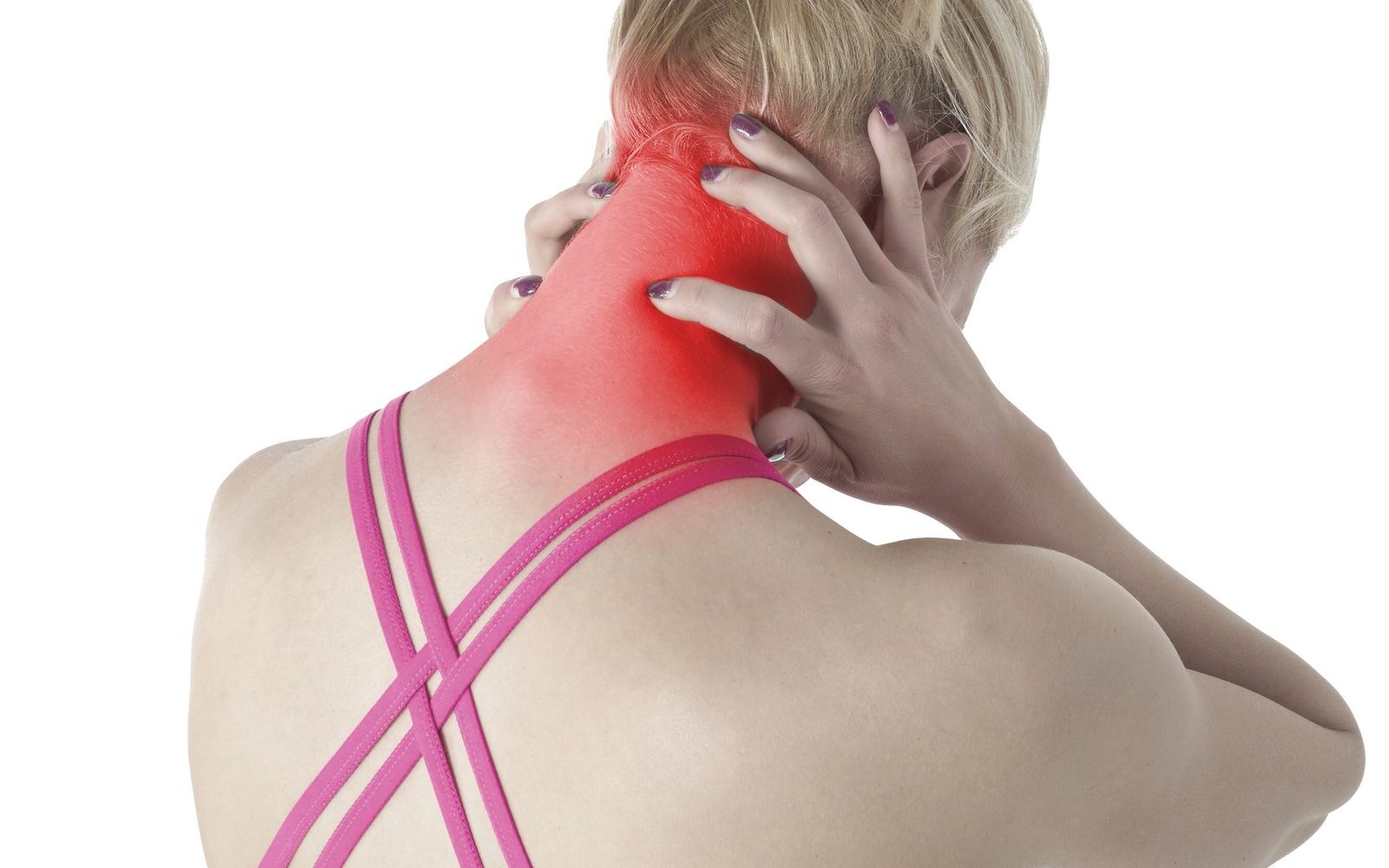
Specialized Care for Disc-Related Neck Pain and Degenerative Changes
Persistent neck pain, stiffness, or reduced mobility may sometimes be associated with cervical degenerative disc disease, a condition involving age-related and degenerative changes in the intervertebral discs of the neck.
Despite its name, degenerative disc disease is not a disease in the traditional sense. Spinal discs naturally change over time, and many people develop cervical disc degeneration without experiencing significant symptoms. When these changes contribute to inflammation, altered spinal mechanics, or irritation of nearby nerves, however, patients may develop neck pain or neurological symptoms extending into the shoulder, arm, or hand.
At TOPS Institute, we provide comprehensive evaluation and personalized treatment for cervical degenerative disc disease in Los Angeles and Beverly Hills. Our approach focuses on determining whether disc degeneration is actually contributing to a patient’s symptoms and identifying the most appropriate nonsurgical or interventional treatment options.
Schedule a Consultation
What Is Cervical Degenerative Disc Disease?
Cervical degenerative disc disease refers to structural and functional changes that develop over time within the intervertebral discs of the cervical spine.
The cervical spine consists of seven vertebrae that form the neck. Between most adjacent vertebrae are intervertebral discs that help:
- Absorb forces placed on the spine
- Maintain spacing between vertebrae
- Support flexibility
- Allow comfortable neck movement
Each disc contains a softer inner portion called the nucleus pulposus surrounded by a stronger outer layer called the annulus fibrosus.
Over time, cervical discs may:
- Lose water content
- Become less flexible
- Lose disc height
- Develop small tears or fissures
- Become less effective at absorbing forces
These changes are a common part of aging and do not necessarily cause pain.
Degenerative disc disease becomes clinically important when disc changes correspond to a patient’s symptoms or contribute to other cervical spine conditions.
What Causes Cervical Disc Degeneration?
Cervical spinal discs naturally change with age, but the rate and severity of degeneration vary from person to person.
Potential contributing factors include:
- Normal aging
- Genetics
- Previous neck injuries
- Repetitive stress on the cervical spine
- Physically demanding activities
- Previous disc injury or herniation
- Changes in spinal biomechanics
As a disc loses height and flexibility, forces placed on other structures of the cervical spine may also change.
This can contribute to additional degeneration involving the facet joints and vertebrae and may reduce the space available for nearby spinal nerves.
For this reason, cervical degenerative disc disease commonly occurs alongside other conditions such as cervical spondylosis, cervical disc herniation, and cervical spinal stenosis.
Symptoms of Cervical Degenerative Disc Disease
Many people have cervical disc degeneration visible on imaging without experiencing symptoms.
When disc degeneration becomes symptomatic, patients may experience:
- Persistent or recurring neck pain
- Aching discomfort in the neck
- Neck stiffness
- Reduced range of motion
- Pain with certain neck movements
- Muscle tightness
- Pain around the shoulders or shoulder blades
- Discomfort after prolonged sitting or desk work
- Pain associated with certain positions or activities
Symptoms can vary over time. Some patients experience relatively constant discomfort, while others have periods when symptoms become more noticeable.
If degenerative changes irritate or compress a cervical nerve root, symptoms may also extend into the shoulder, arm, hand, or fingers.
Can Cervical Degenerative Disc Disease Cause a Pinched Nerve?
Yes.
As a cervical disc loses height, the space available for the spinal nerves may decrease. Degenerative changes can also occur alongside bone spur formation, disc herniation, or foraminal narrowing.
If a cervical nerve root becomes irritated or compressed, a patient may develop cervical radiculopathy, commonly described as a pinched nerve.
Symptoms may include:
- Shooting arm pain
- Burning or electric-like pain
- Numbness
- Tingling
- Pins-and-needles sensations
- Arm or hand weakness
- Changes in sensation
- Reduced grip strength
Learn More About Cervical Radiculopathy (Pinched Nerve)
Cervical Degenerative Disc Disease vs. Cervical Spondylosis
Although the terms are related, they are not exactly the same.
Cervical degenerative disc disease primarily refers to degenerative changes affecting the intervertebral discs.
Cervical spondylosis is a broader term that can describe degeneration involving multiple structures of the cervical spine, including:
- Intervertebral discs
- Facet joints
- Vertebrae
- Surrounding ligaments
Disc degeneration may therefore be one component of cervical spondylosis.
Learn More About Cervical Spondylosis (Neck Arthritis)
Cervical Degenerative Disc Disease vs. Herniated Disc
These conditions can occur together but describe different structural changes.
Cervical degenerative disc disease describes gradual changes within a spinal disc that develop over time.
A cervical disc herniation occurs when disc material extends beyond its normal boundary through a weakened or disrupted portion of the disc.
Disc degeneration can make a cervical disc more susceptible to herniation, but a patient can have degenerative disc disease without having a herniated disc.
Likewise, a disc herniation can occur without extensive degeneration.
Learn More About Cervical Disc Herniation
Can Cervical Disc Degeneration Cause Spinal Stenosis?
It can contribute to it.
As cervical discs lose height, the spaces through which spinal nerves travel may become narrower. Degenerative disc changes may also occur alongside bone spurs, facet joint degeneration, and thickening of surrounding structures.
Together, these changes may contribute to cervical spinal stenosis.
Depending on where narrowing occurs, stenosis can affect an individual nerve root or, in more significant cases, the spinal cord.
Learn More About Cervical Spinal Stenosis
How Is Cervical Degenerative Disc Disease Diagnosed?
Diagnosing symptomatic cervical degenerative disc disease requires more than identifying disc degeneration on an imaging study.
Degenerative changes are common, particularly with age, and may be present in people without neck pain.
At TOPS Institute, evaluation may include a detailed review of:
- Location of neck pain
- Duration of symptoms
- Movements or positions that worsen pain
- Shoulder or arm symptoms
- Numbness or tingling
- Muscle weakness
- Previous neck injuries
- Previous treatments or procedures
- How symptoms affect work, exercise, sleep, and everyday activities
A physical and neurological examination may evaluate:
- Neck range of motion
- Areas of tenderness
- Muscle strength
- Reflexes
- Sensation
- Movements that reproduce symptoms
When clinically appropriate, imaging may also be recommended.
An MRI can provide detailed information about cervical discs, spinal nerves, the spinal canal, and surrounding soft tissues. X-rays may help evaluate disc height, spinal alignment, bone spurs, and other degenerative changes.
The goal is to determine whether imaging findings correspond to the patient’s symptoms rather than treating an abnormal scan alone.
How Is Cervical Degenerative Disc Disease Treated?
Treatment depends on the source and severity of symptoms, neurological findings, associated spinal conditions, functional limitations, and response to previous care.
When appropriate, conservative treatment may include:
- Physical therapy
- Home exercise
- Activity modification
- Appropriate medications
- Strengthening and mobility exercises
- Posture modification
- Ergonomic adjustments
Treatment is designed to reduce symptoms, improve mobility, and help patients remain active.
When symptoms persist despite conservative treatment, further evaluation may help determine whether a spinal nerve, facet joint, or another structure is contributing to the patient’s pain.
When Disc Degeneration Causes Nerve Pain
Interventional treatment may be considered when cervical disc degeneration contributes to an identifiable source of nerve-related pain.
If degenerative changes irritate or compress a cervical nerve root and cause cervical radiculopathy, an epidural steroid injection may be considered for appropriately selected patients.
Depending on the patient’s anatomy and pattern of symptoms, treatment may include:
Cervical Epidural Steroid Injection
or
Cervical Transforaminal Epidural Steroid Injection
These procedures are intended to address inflammation associated with an irritated spinal nerve. They do not reverse the underlying disc degeneration.
When Degeneration Affects the Cervical Facet Joints
Loss of disc height and changes in spinal biomechanics can place additional stress on the cervical facet joints.
If the facet joints become arthritic or painful, a patient may develop facet-mediated neck pain.
When cervical facet pain is suspected, evaluation and treatment may include:
Cervical Facet Joint Injections
Cervical Medial Branch Blocks
Cervical Radiofrequency Ablation
Diagnostic medial branch blocks can help determine whether the facet joints are contributing to the patient’s symptoms before radiofrequency ablation is considered.
Does Cervical Degenerative Disc Disease Require Surgery?
Not necessarily.
Many patients with cervical degenerative disc disease can be managed without surgery, particularly when there is no significant spinal cord compression or progressive neurological impairment.
Nonsurgical treatment may include physical therapy, activity modification, medications, and targeted interventional procedures when an identifiable pain generator is present.
Surgical evaluation may be appropriate when degenerative changes result in significant nerve or spinal cord compression, progressive neurological deficits, or persistent symptoms that do not respond to appropriate nonsurgical treatment.
The presence of disc degeneration on an MRI alone does not mean surgery is necessary.
When Should You See a Pain Specialist?
An evaluation may be appropriate when neck pain:
- Persists despite conservative treatment
- Frequently returns
- Limits neck mobility
- Interferes with work or driving
- Affects exercise
- Interferes with sleep
- Extends into the shoulder or arm
- Is accompanied by persistent numbness or tingling
Seek prompt medical evaluation for rapidly worsening weakness, significant changes in balance or walking, loss of hand coordination or dexterity, or new bowel or bladder dysfunction, as these symptoms may indicate more significant neurological involvement.
Cervical Degenerative Disc Disease Treatment at TOPS Institute
Disc degeneration is common in the cervical spine, particularly as people age. Finding degeneration on an X-ray or MRI, however, does not necessarily explain why a patient’s neck hurts.
At TOPS Institute, we take a diagnosis-driven approach to neck pain.
We evaluate the relationship between symptoms, physical findings, neurological function, imaging, and associated cervical conditions before recommending treatment.
When cervical disc degeneration contributes to an identifiable source of pain—such as nerve irritation or facet-mediated pain—targeted interventional procedures may be considered when appropriate.
Our goal is to identify what is causing the patient’s symptoms and develop a personalized treatment plan focused on reducing pain, restoring mobility, and improving everyday function.
For patients seeking cervical degenerative disc disease treatment in Los Angeles or Beverly Hills, TOPS Institute provides specialized interventional pain management with an emphasis on nonsurgical and minimally invasive options when appropriate.
Schedule a Consultation
Frequently Asked Questions About Cervical Degenerative Disc Disease
Is cervical degenerative disc disease actually a disease?
Despite the name, degenerative disc disease is not a disease in the traditional sense. It describes structural and functional changes that develop within spinal discs over time. These changes are common with aging and do not necessarily cause symptoms.
What does cervical degenerative disc disease feel like?
When symptomatic, cervical degenerative disc disease may cause aching neck pain, stiffness, reduced mobility, or discomfort associated with certain neck movements or prolonged positions. If a nerve becomes affected, symptoms may also travel into the arm or hand.
Can cervical degenerative disc disease cause arm pain?
Yes. If degenerative changes contribute to irritation or compression of a cervical nerve root, a patient may develop cervical radiculopathy with arm pain, numbness, tingling, or weakness.
Learn More About Cervical Radiculopathy (Pinched Nerve)
Is cervical degenerative disc disease the same as neck arthritis?
No. Degenerative disc disease primarily affects the intervertebral discs. Neck arthritis often refers to degeneration affecting the cervical facet joints. Both can occur together as part of cervical spondylosis.
Learn More About Cervical Spondylosis (Neck Arthritis)
Is degenerative disc disease the same as a herniated disc?
No. Degenerative disc disease describes gradual changes within a spinal disc, while a herniated disc occurs when disc material extends beyond its normal boundary. Disc degeneration can increase susceptibility to herniation, so the two conditions may occur together.
Learn More About Cervical Disc Herniation
Can cervical degenerative disc disease cause spinal stenosis?
Yes. Loss of disc height and other degenerative changes can contribute to narrowing around cervical nerves or the spinal cord. When this narrowing becomes clinically significant, it may be diagnosed as cervical spinal stenosis.
Learn More About Cervical Spinal Stenosis
Can cervical degenerative disc disease be treated without surgery?
Yes. Many patients can be treated nonsurgically. Depending on the patient’s symptoms, treatment may include physical therapy, activity modification, medications, ergonomic changes, and targeted interventional pain procedures when an identifiable pain generator is present.
Can an epidural steroid injection treat cervical degenerative disc disease?
An epidural steroid injection does not reverse disc degeneration. However, when degenerative changes contribute to inflammation around a cervical nerve root and cause radiculopathy, an epidural steroid injection may be considered to address nerve-related symptoms.
Learn More About Cervical Epidural Steroid Injections
Get Help for Disc-Related Neck Pain
Finding degenerative changes on an MRI does not necessarily identify the source of chronic neck pain. A comprehensive evaluation can help determine whether a cervical disc, spinal nerve, facet joint, or another structure is contributing to your symptoms.
Schedule a consultation with TOPS Institute in Los Angeles or Beverly Hills for a personalized evaluation and treatment plan for cervical degenerative disc disease and chronic neck pain.
Schedule an Appointment