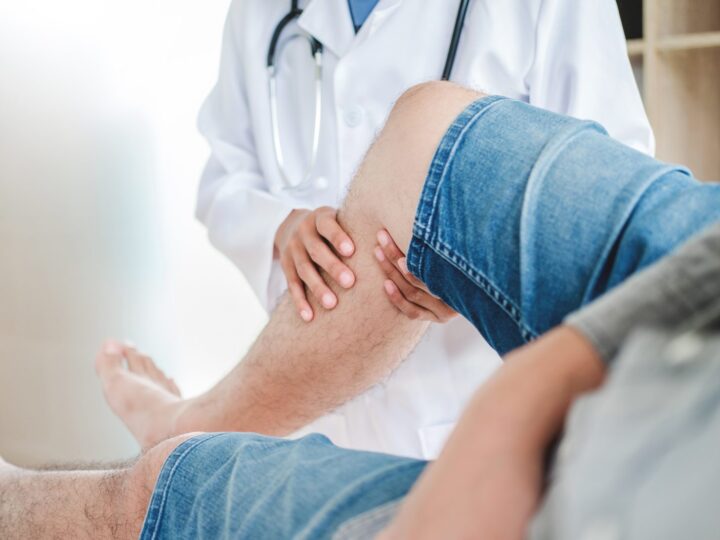
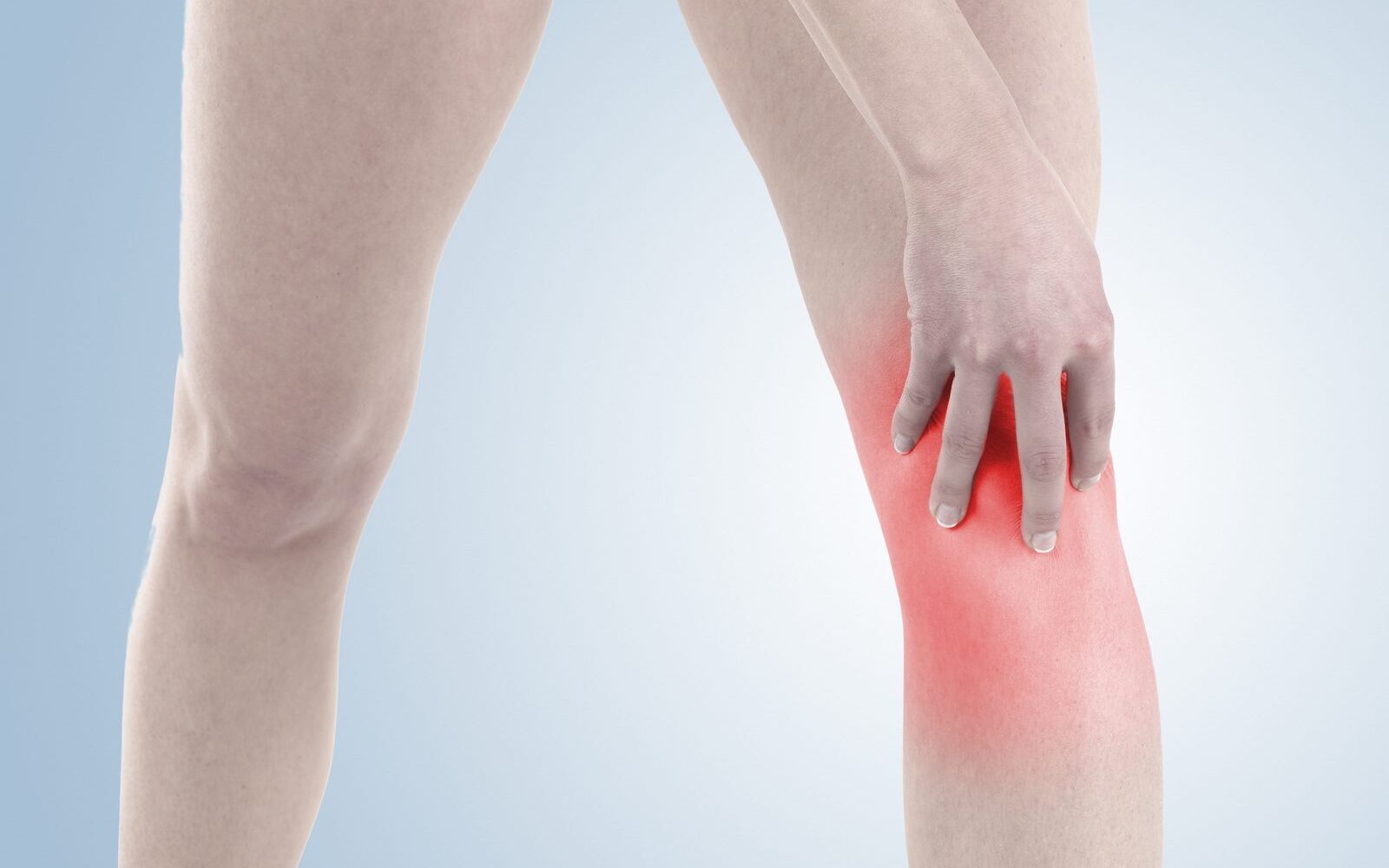
Knee pain is one of the most common musculoskeletal conditions affecting adults of all ages. Whether your pain is caused by arthritis, a sports injury, tendon damage, or years of wear and tear, chronic knee pain can make walking, climbing stairs, exercising, and even standing uncomfortable.
At TOPS Institute, our board-certified interventional pain management specialists provide comprehensive evaluations and advanced minimally invasive treatments for acute and chronic knee pain. We utilize state-of-the-art diagnostic imaging and personalized treatment plans to identify the source of your pain and provide long-lasting relief while helping many patients avoid surgery.
Our goal is to restore mobility, improve function, and help patients throughout Los Angeles, Beverly Hills, and Southern California return to an active lifestyle.
Book an Appointment Today
Common Causes of Knee Pain
The knee is the largest weight-bearing joint in the body and is vulnerable to injuries, arthritis, repetitive stress, and degeneration. Accurate diagnosis is essential to determine the most effective treatment.
Knee Osteoarthritis
Knee osteoarthritis is the most common cause of chronic knee pain. It develops when the protective cartilage inside the knee gradually wears away, causing inflammation, stiffness, and reduced mobility.
Symptoms may include:
- Knee pain during activity
- Morning stiffness
- Swelling
- Grinding or popping
- Difficulty climbing stairs
- Limited range of motion
Early treatment may help reduce pain, improve function, and delay the progression of arthritis.
Ligament Injuries (ACL, PCL, MCL & LCL)
The knee is stabilized by four major ligaments: the anterior cruciate ligament (ACL), posterior cruciate ligament (PCL), medial collateral ligament (MCL), and lateral collateral ligament (LCL). Sports injuries, falls, and twisting movements can cause these ligaments to stretch or tear.
Symptoms may include:
- Sudden knee pain
- Swelling
- Knee instability
- Difficulty bearing weight
- Limited mobility
- Popping sensation at the time of injury
Meniscus Tears
The meniscus is a C-shaped piece of cartilage that cushions the knee joint and absorbs shock during movement. Meniscal tears commonly occur during sports, twisting injuries, or as part of the aging process.
Symptoms may include:
- Knee pain
- Swelling
- Locking or catching
- Clicking sensations
- Difficulty fully bending or straightening the knee
Patellofemoral Pain Syndrome (Runner’s Knee)
Patellofemoral pain syndrome is a common condition affecting the front of the knee where the kneecap (patella) meets the thigh bone.
Symptoms may include:
- Pain around the kneecap
- Pain while climbing stairs
- Pain after prolonged sitting
- Clicking or grinding
- Discomfort during exercise
Patellar Tendinitis (Jumper’s Knee)
Patellar tendinitis is inflammation of the tendon connecting the kneecap to the shinbone. It commonly affects athletes who participate in running, jumping, or repetitive sports.
Symptoms may include:
- Pain below the kneecap
- Tenderness
- Swelling
- Pain during activity
- Weakness
Knee Bursitis
Knee bursitis occurs when one of the fluid-filled bursae surrounding the knee becomes inflamed due to repetitive kneeling, injury, infection, or arthritis.
Symptoms may include:
- Swelling
- Tenderness
- Warmth
- Pain with movement
- Localized discomfort
Knee Fractures & Dislocations
Traumatic injuries such as falls, motor vehicle accidents, or sports injuries may result in fractures or dislocations involving the knee joint.
Symptoms may include:
- Severe pain
- Swelling
- Visible deformity
- Difficulty walking
- Instability
Prompt medical evaluation is important following significant knee trauma.
Rheumatoid Arthritis of the Knee
Rheumatoid arthritis is an autoimmune disease that causes chronic inflammation of the knee joint lining, resulting in pain, swelling, stiffness, and progressive joint damage if left untreated.
Personalized Knee Pain Treatments
Every patient receives an individualized treatment plan based on their diagnosis, lifestyle, activity level, and long-term goals.
Platelet-Rich Plasma (PRP) Therapy
Platelet-Rich Plasma (PRP) is an advanced regenerative medicine treatment that uses a concentrated sample of your own blood containing platelets and natural growth factors to support healing of injured tissues.
PRP therapy may be recommended for:
- Knee osteoarthritis
- Meniscus injuries
- Patellar tendinitis
- Ligament injuries
- Cartilage injuries
- Sports-related knee injuries
- Chronic tendon disorders
At TOPS Institute, we utilize High-Dose PRP and advanced ultrasound or fluoroscopic guidance to maximize treatment precision.
Learn more about our High-Dose Platelet-Rich Plasma (PRP) therapy.
Knee Joint Injections
Image-guided knee joint injections deliver anti-inflammatory medication directly into the knee joint to reduce inflammation and relieve pain caused by arthritis and other painful knee conditions.
Joint injections may also help determine whether the knee joint itself is the primary source of pain.
Learn more about Knee Joint Injections.
Viscosupplementation (Hyaluronic Acid) Injections
Viscosupplementation injections use hyaluronic acid to improve lubrication within the knee joint. These injections are commonly used for patients with mild to moderate knee osteoarthritis who continue to experience pain despite conservative treatment.
By restoring lubrication within the joint, viscosupplementation can reduce friction, improve mobility, and relieve pain for several months.
Genicular Nerve Radiofrequency Ablation
Genicular Nerve Radiofrequency Ablation (Genicular Nerve Ablation) is an advanced minimally invasive procedure used to treat chronic knee pain, particularly in patients with moderate to severe knee arthritis or persistent pain after knee replacement surgery.
During the procedure, specialized needles are placed near the genicular nerves using image guidance. Radiofrequency energy is then applied to interrupt pain signals traveling from the knee to the brain without affecting joint stability or muscle strength.
Genicular nerve ablation may benefit patients with:
- Knee osteoarthritis
- Chronic knee pain
- Persistent pain after knee replacement
- Patients who are not surgical candidates
- Patients seeking long-lasting non-surgical pain relief
Many patients experience significant pain reduction lasting 6 to 18 months, allowing them to improve mobility and participate more comfortably in physical therapy and daily activities.
Nerve Blocks
Diagnostic and therapeutic nerve blocks may be used to identify the source of chronic knee pain while providing temporary pain relief for selected conditions.
Physical Therapy & Rehabilitation
Physical therapy remains an important component of knee pain treatment. A customized rehabilitation program helps strengthen the muscles surrounding the knee, improve flexibility, restore balance, and reduce future injuries.
Regenerative Medicine
Regenerative medicine therapies, including High-Dose PRP, may help support the body’s natural healing process for appropriate patients with tendon injuries, ligament injuries, cartilage damage, and early arthritis.
Surgical Consultation
While many patients improve with conservative treatment and minimally invasive procedures, surgery may occasionally be recommended for advanced arthritis, severe ligament injuries, unstable fractures, or complex meniscal tears. When surgery is appropriate, we coordinate care with experienced orthopedic specialists while continuing to manage pain before and after surgery.
Why Choose TOPS Institute?
At TOPS Institute, we combine concierge-level patient care with advanced interventional pain management and regenerative medicine to provide comprehensive knee pain treatment. Our board-certified physicians use state-of-the-art diagnostic imaging and minimally invasive procedures to accurately diagnose knee conditions and create individualized treatment plans focused on long-term pain relief.
Whether your pain is caused by arthritis, ligament injuries, meniscus tears, bursitis, tendon injuries, runner’s knee, or chronic knee degeneration, our goal is to restore mobility, reduce pain, and help you avoid unnecessary surgery whenever possible.
Frequently Asked Questions
What are the best knee pain treatment options in Los Angeles?
Treatment depends on the underlying cause of your pain. Options may include PRP therapy, knee joint injections, viscosupplementation, genicular nerve radiofrequency ablation, nerve blocks, physical therapy, regenerative medicine, and surgical consultation when necessary.
What is a knee injection and how does it work?
A knee injection delivers medication directly into the knee joint using image guidance to reduce inflammation, relieve pain, and improve mobility while helping identify the source of symptoms.
Are knee injections a good alternative to surgery?
For many patients, yes. Knee injections can significantly reduce pain and improve function, allowing patients to delay or avoid knee replacement surgery.
How long do knee steroid injections last?
Pain relief varies by individual, but many patients experience improvement lasting several weeks to several months.
What conditions can knee injections treat?
Knee injections may be used to treat osteoarthritis, rheumatoid arthritis, bursitis, tendon inflammation, meniscus irritation, and other inflammatory knee conditions.
Is non-surgical knee pain treatment effective?
Yes. Many patients experience significant improvement through minimally invasive procedures, regenerative medicine, PRP therapy, physical therapy, and lifestyle modifications.
How quickly do knee injections start working?
Many patients notice improvement within several days, although maximum benefits may take one to two weeks depending on the medication and condition being treated.
Are knee injections safe?
Yes. When performed by experienced physicians using ultrasound or fluoroscopic guidance, knee injections are generally very safe with a low risk of complications.
How many knee injections can you receive each year?
The number depends on the type of injection, your diagnosis, and your physician’s recommendations. Your specialist will develop a treatment plan that balances symptom relief with long-term joint health.
When should I consider knee injections?
Knee injections may be appropriate if your pain has not improved with rest, medications, physical therapy, or other conservative treatments and continues to interfere with your daily activities.